 Business License
PTFE-Coated Mold Cleaning: Removing Deposits Without Damaging the Coating
PTFE-Coated Mold Cleaning: Removing Deposits Without Damaging the Coating
Most PTFE (Teflon) coated moulds are not worn out by production - they are worn out by cleaning. Wire brushes, abrasive pads, metal scrapers and bead blasting can strip a coating in a matter of shifts, and by the time release performance drops, the damage is permanent and the mould is heading for refurbishment. This guide covers how coated moulds actually fail, the workflow that keeps a coating intact, and how to tell a dirty mould apart from a worn one.
How a PTFE Coating Actually Fails
The counter-intuitive part first: PTFE is one of the most chemically inert materials in a mould shop. Strong acids, strong alkalis and most solvents barely touch it. That means the usual suspects for mould damage are not the mechanism here. Coating failure is almost always mechanical or thermal.
Mechanical abrasion. The number one killer. Wire brushes, scouring pads, abrasive pastes, sand or bead blasting, and metal scrapers all remove coating thickness directly. The damage is cumulative and never comes back.
Thermal degradation. Running a coating above the continuous service temperature its supplier rates causes the polymer to degrade and lose its release character. It usually shows up first at gates, ribs and hot spots.
Thermal shock. Cooling a hot mould suddenly - typically cold water on a hot cavity - can crack or lift the coating, because coating, primer and steel expand at different rates.
Bonding layer damage. The PTFE topcoat only works because a primer bonds it to the steel. If that bond is degraded, the coating blisters, flakes or peels no matter how careful you are with the surface.
What Builds Up on a Coated Mould
| Deposit | Why it forms | What it looks like |
|---|---|---|
| Release agent scale | Repeated spraying without full drying or blow-off | Streaky, cloudy or uneven patches; inconsistent gloss |
| Burnt carbon and polymer residue | Release agent over-heated at high mould temperature | Hard brown-black crust, usually at gates and hot spots |
| Pigment and dye staining | Pigmented compounds and masterbatch | Tinted areas in the cavity and flow paths |
| Oil and silicone build-up | Migrating release agents and machine lubricants | Waxy smear that transfers onto the part surface |
A Cleaning Workflow That Preserves the Coating
Let the mould cool first. Never quench a hot mould with cold water. Bring it down gradually, then clean.
Take mechanical force out of the equation. Soft cloths, nylon brushes and plastic or wooden scrapers only. The goal is to clean chemically and minimise every physical pass over the coating.
Use a cleaner formulated for coated surfaces. A cleaner designed for a coated mould removes baked-on deposits by chemistry rather than by scrubbing, which is exactly what a non-stick surface needs.
Respect dilution and contact time. More concentrated is not better. Keep the surface wet, work in sections, and do not let the solution dry on the coating.
Rinse thoroughly with clean water and dry completely. Residue left on the surface can continue to act, and moisture under the coating is one route to blistering.
Inspect and log after every clean. Recording gloss, wear patterns and release performance is how you catch coating degradation before it becomes scrap.
What Never to Do on a Coated Mould
Never use wire brushes, abrasive pads or scouring compounds. They trade a few minutes of cleaning for the life of the coating.
Never sand-blast or bead-blast a coated cavity.
Never scratch at burnt deposits with a scraper, chisel, screwdriver or blade. Soak, soften, then wipe.
Never pour cold water onto a hot mould. Thermal shock is a silent coating killer.
Never leave an unknown solvent or cleaner on the coating to see what happens. Patch test on a small, less critical area first.
Never judge by appearance alone. A coating can look intact and still be worn through in the high-wear areas that matter.
Dirty Coating or Worn Coating?
| Signal | Dirty coating | Worn coating |
|---|---|---|
| Release performance after a full clean | Recovers, or clearly improves | Stays poor |
| Surface appearance | Dull patches that disappear once cleaned | Visible wear pattern, texture loss, exposed primer or steel at gates and ribs |
| Part finish | Marks that wipe off | Permanent change in gloss or texture |
| Correct action | Clean with a coated-surface cleaner and re-establish the release film | Plan recoat or refurbishment - more cleaning will not restore it |
How We Can Help
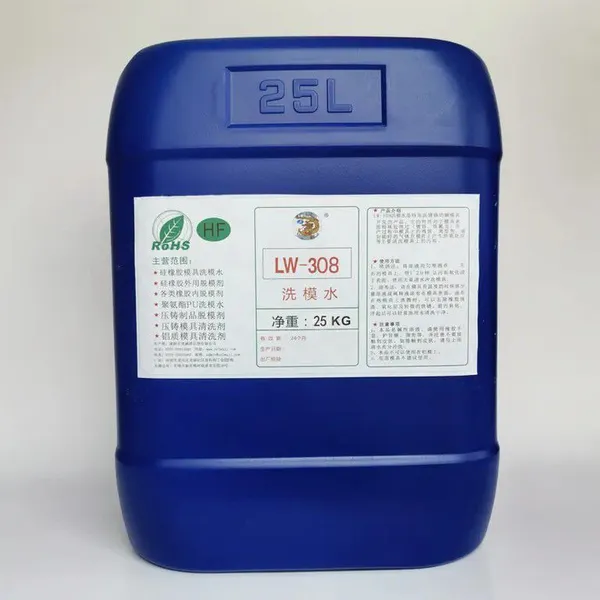
LONGWEI LW-308 is a mould cleaner developed specifically for PTFE (Teflon) coated moulds and high-temperature tooling. It removes baked-on deposits, polymer residue and release agent scale chemically rather than by scraping, which is the whole point on a non-stick coating - every mechanical pass shortens coating life. It is a translucent liquid at pH 13, easy to rinse and easy to inspect, supplied in 5 kg, 20 kg and 25 kg packs.
Tell us your coating type, mould temperature and the deposit you are fighting, and we will recommend a dilution and contact time. Samples are available for trial.
Contact LONGWEI for a free sample and technical consultation. Tell us your process, material and mould temperature, and our engineers will recommend a matched grade.
Recently Posted
-
Solvent-Based vs Water-Based Mold Release Agent: Can You Switch Grades?
October 22, 2026Solvent-Based vs Water-Based Mold Release Agent: Can You Switch Grades?Most plants running solvent-based release agents are not do Read More
-
Mold Release Agent Tank Changeover: Switching Products Without Losing Your Process
October 22, 2026Mold Release Agent Tank Changeover: Switching Products Without Losing Your ProcessChanging a dilution tank is a small operation th Read More
-
Mold Release Agent Spray Pressure and Atomization: Getting the Film Right at the Nozzle
October 22, 2026Mold Release Agent Spray Pressure and Atomization: Getting the Film Right at the NozzleSpraying looks like the simplest way to app Read More
-
Wall Slip and Ejection Problems on Vertical Molds: Why Mold Release Agent Is Not Enough
October 22, 2026Wall Slip and Ejection Problems on Vertical Molds: Why Mold Release Agent Is Not EnoughOn a vertical mold, the cavity runs paralle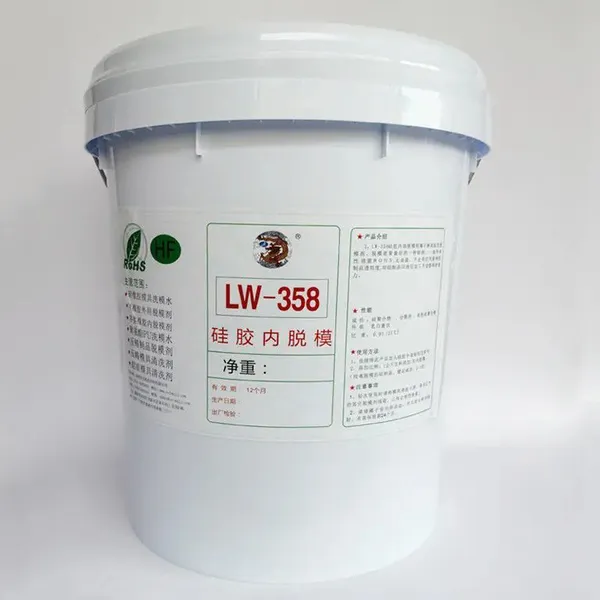 Read More

Contact Us
Recommended Products
-
 PTFE / Teflon Coated Mold Cleaner - Chemical Clean Without Scraping, High-Temp SafeNegotiableMOQ: 200 Kilograms
-
Painting / Printing / Bonding-Friendly Silicone Release Agent - Low Residue, pH 9NegotiableMOQ: 200 Kilograms
-
Multi-Material Water-Based Release Agent for FKM, Silicone, PU & Thermoset (pH 8, 20-50x)NegotiableMOQ: 200 Kilograms
-
Semi-Aqueous Silicone & Rubber Mold Cleaner - Low Odor, Spray or Soak (pH 13)NegotiableMOQ: 200 Kilograms
-
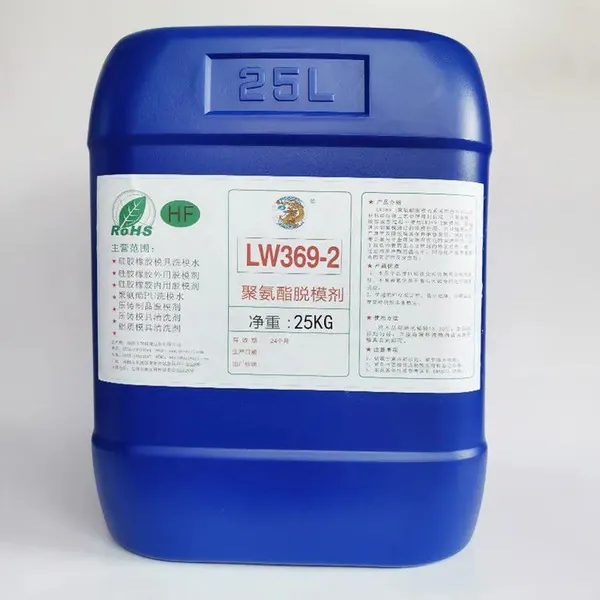
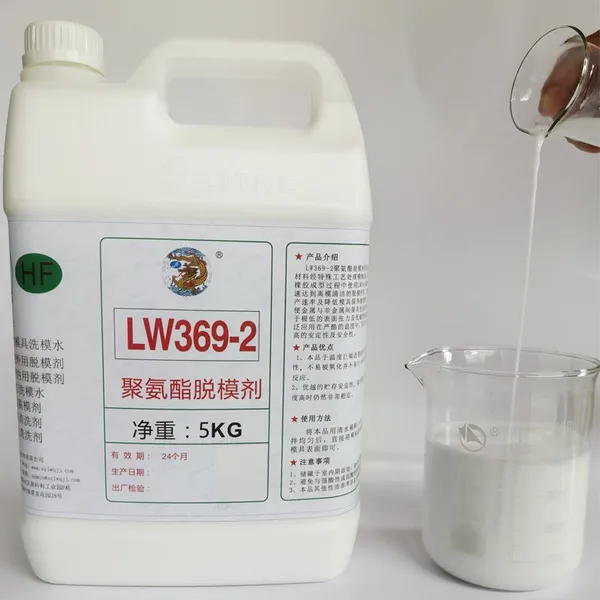
LW-369-2 Water Based Polyurethane Release Agent for Shoe Soles Elastomers and PU FoamNegotiableMOQ: 200 Kilograms
-
LW-361 Water Based Silicone Release Agent for LSR and HTV Silicone MoldingNegotiableMOQ: 200 Kilograms
-
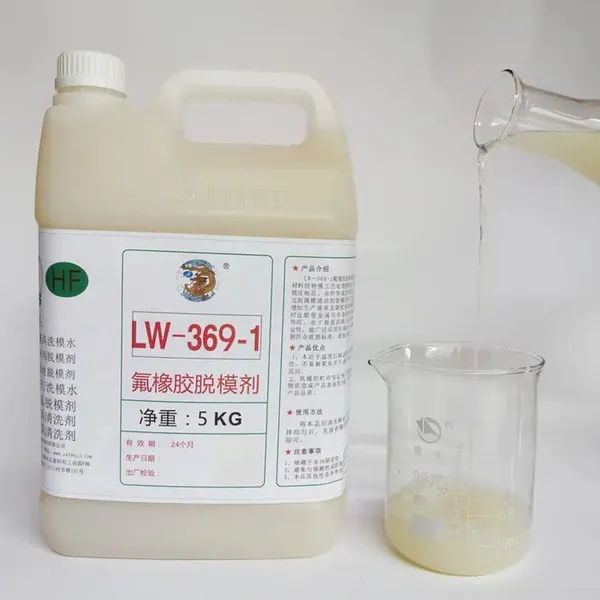
LW-369-1 Release Agent for Fluoro Rubber Epoxy Polyester and Thermoset Compression MoldingNegotiableMOQ: 200 Kilograms
-
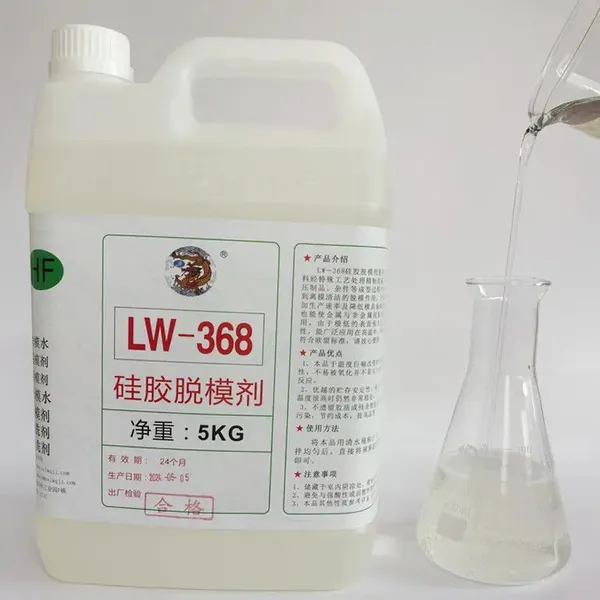
LW-368 Water Based Silicone Release Agent pH 10 for Silicone Molding and Surface LubricationNegotiableMOQ: 200 Kilograms
-
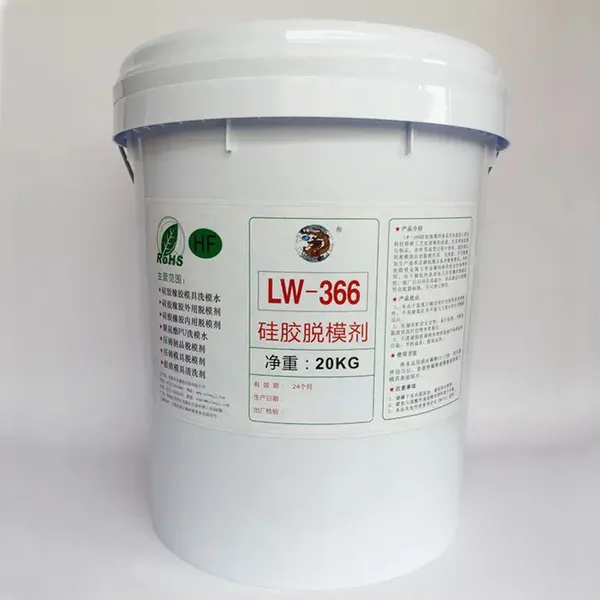
LW-366 Water Based Silicone Release Agent Compatible With Painting Printing and BondingNegotiableMOQ: 200 Kilograms
-
LW-365 General Purpose Release Agent for Fluoro Rubber Silicone PU and Thermoset ResinsNegotiableMOQ: 200 Kilograms
-
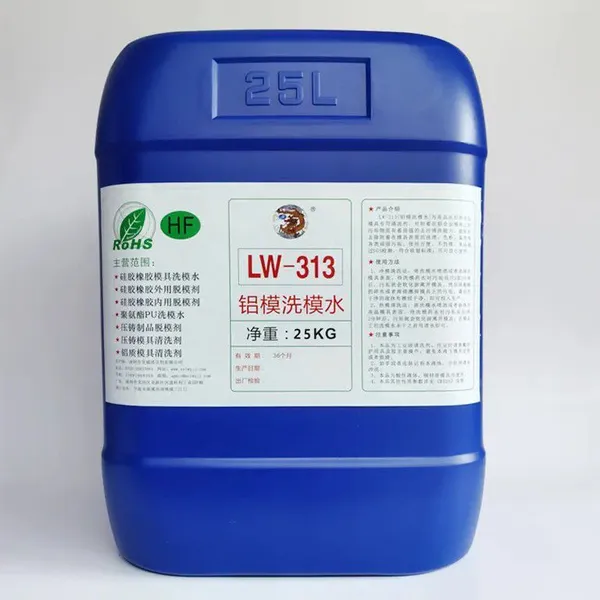
LW-313 Aluminum Mold Cleaner Removes Oil Colorant Dye and Light Oxidation LayerNegotiableMOQ: 200 Kilograms
-
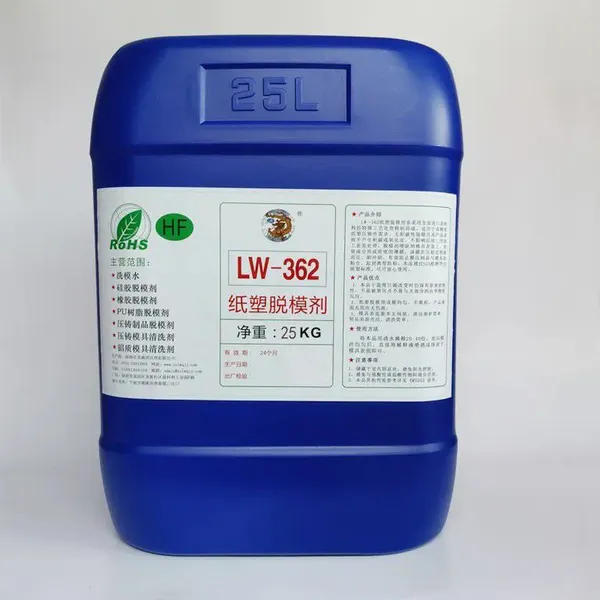
LW-362 Water Based Release Agent for Pulp Molding and Paper Tray ProductionNegotiableMOQ: 200 Kilograms
-
LW-358 Internal Silicone Release Agent Paste for High Temperature Silicone MoldingNegotiableMOQ: 200 Kilograms
-
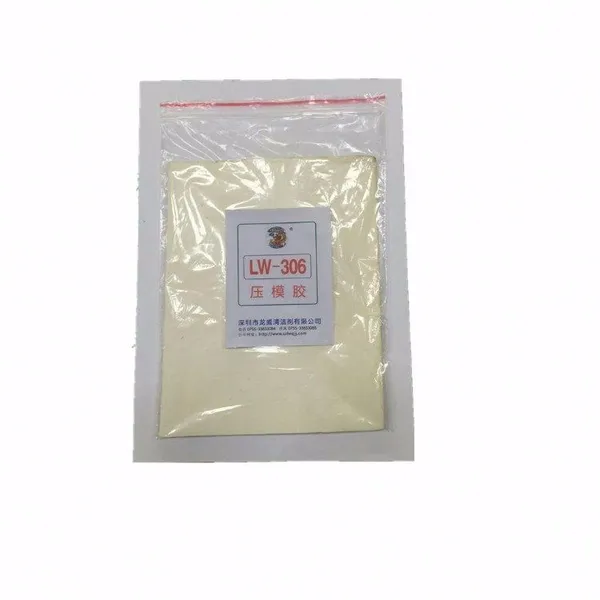
LW-306 Premium Mold Cleaning Rubber for Semiconductor & Rubber MoldingNegotiableMOQ: 200 Kilograms
-
Longwei LW Water-based Polyurethane (PU) Mold Release Agent ManufacturerNegotiableMOQ: 200 Kilograms
-
LW-306 Mold Cleaning Rubber Sheet for Silicone & Rubber Molds - No Disassembly Required, Non-Damaging (Not for Electroplated Molds) - Factory DirectNegotiableMOQ: 200 Kilograms
-
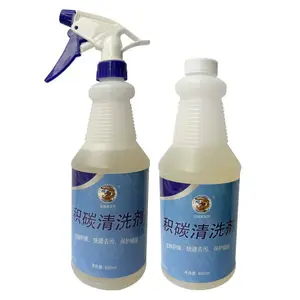
Specialized Carbon Deposit Cleaner for Zinc, Magnesium, and Aluminum Die-casting Molds - Fast Cleaning With No ResidueNegotiableMOQ: 200 Kilograms
-
Specialized Rubber Release Agent for Seals, Shock Absorbers, Shoe Soles, and TiresNegotiableMOQ: 200 Kilograms
-
LW-303 Semi Water Based Mold Cleaner for Silicone and Rubber Molds Spray or SoakNegotiableMOQ: 500 Kilograms
-
LW-301 Iron and Steel Mold Cleaner Removes Rubber Residue and Release Agent Build-UpNegotiableMOQ: 500 Kilograms