 Business License
PU Shoe Sole Mold Release Agent: Why Polyurethane Moulding Is the Hardest Case
PU Shoe Sole Mold Release Agent: Why Polyurethane Moulding Is the Hardest Case
Release agent selection looks easy until you run polyurethane. PU is chemically aggressive toward metal tooling, it is produced in very high volumes, and in a footwear plant it is applied at a spray frequency that would bankrupt most other release economics. A release problem in PU does not show up as a few rejects - it shows up as sticking in the mould, a scuffed or torn outsole, a ruined cavity that needs re-machining, and a line that stops. Here is why PU is different and what actually solves it.
Why PU Bonds So Aggressively
Most rubber and resin systems are chemically inert enough to be held back by a thin film. Polyurethane is not. The isocyanate component reacts with metal surfaces and with moisture, so the mould and the PU are trying to bond at the same time the release agent is trying to separate them. That is why PU release performance depends so heavily on a strong, continuous, correctly weighted film - a thin film that looks fine on the simple parts will fail on a deep-draw sole where the material has to stretch.
Two further factors make PU moulding harder than it looks:
High exotherm. The reaction releases significant heat. The mould is hot, which softens a release film and lets it flow away from the hot spots - so the film must be chosen and weighted for a hot tool, not a cold one.
High spray frequency. In a footwear line the release agent is applied on every cycle or every few cycles. Whatever you choose, the cost per part is decided by how much you apply and how often.
What a PU Release Agent Must Deliver
| Requirement | Why PU needs it |
|---|---|
| Strong anti-adhesion film | The PU attacks the metal; the film has to win that contest |
| Film stability at mould temperature | Exotherm softens a weak film and pulls it off the cavity |
| Good coverage on complex soles | Deep draws and heavy texture need film in the deep areas, not just the flat land |
| Low cost per part | High spray frequency means consumption dominates |
| Water-based, low odour | Footwear plants spray in open, hot, busy areas - flammability and solvent vapour are both real problems |
| Easy clean-up | Residue left in the texture becomes the next release problem |
The Practical Fixes, in Order of Effect
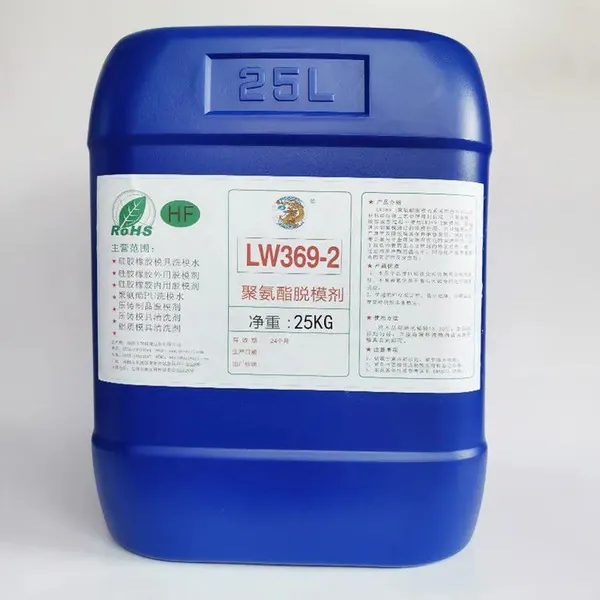
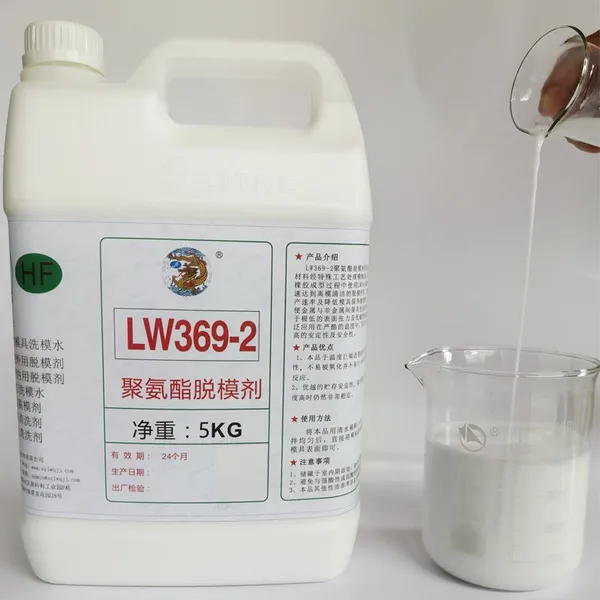
Use a grade developed for PU, not a general grade. A general-purpose release agent tuned for silicone will underperform on PU. LW-369-2 is a water-based polyurethane release agent developed specifically for strong anti-adhesion on aggressive PU systems - PU shoe soles, PU elastomers, toys, and rigid and flexible foam - and is a milky liquid supplied in 5 kg, 20 kg and 25 kg packs.
Start at the lower dilution and tune upward. On high-adhesion PU systems, a heavier film is what buys release. Find the point where release is clean, then stop - an over-heavy film will itself transfer to the outsole and cause the spotting and adhesion problems discussed below.
Apply thin and even, and avoid pooling. A pooled film at a texture edge is the classic place where release is locally too weak and the sole sticks.
Blow off excess before closing. Trapped liquid at the flash line becomes a cosmetic defect and a secondary problem downstream.
Watch the mould temperature, not just the cycle time. If the tool has run hotter than usual, the film requirement changes - the same dilution that worked last week may not hold now.
Two Failure Modes That Are Not Release Problems
It is worth ruling these out before changing supplier, because both present as "the release agent failed":
Colour or surface spotting on the outsole. This is usually over-application - too heavy a film or too low a dilution - leaving release residue on the surface. It reads as a release problem but is corrected by going lighter, not heavier.
Sticking that started right after a maintenance job. If the mould was re-machined, re-polished or re-coated, the surface has changed and the previous film may no longer hold. Always re-qualify after any tooling work.
Comparing the Options for PU
| Option | Release on PU | Watch out for |
|---|---|---|
| General-purpose water-based | May be adequate for easy flat soles | Fails first on deep draws and textured areas |
| PU-specific water-based (e.g. LW-369-2) | Reliable on difficult soles and elastomers | Still needs correct dilution control |
| Solvent-based PU grade | Strong film, fast drying | Flammability, solvent vapour, drying energy in a hot plant |
| Powder / soap-style | Low cost, simple | Leaves a film and residue in cavity detail; poor for complex texture |
How We Can Help
LONGWEI supplies a dedicated PU line rather than asking a general grade to do a hard job. LW-369-2 is the water-based polyurethane release agent for shoe soles, elastomers, toys and rigid and flexible foam - non-flammable, low odour, and built for high spray frequency. For comparison across the range, LW-365 (pH 8, diluted 20-50 times) is the general-purpose grade where PU is one material among several, and LW-368 (pH 10) serves silicone moulding with an added lubrication function. All supplied in 5 kg, 20 kg and 25 kg packs.
Tell us your sole geometry, mould temperature, cycle time and how often you spray, and we will recommend a grade and a starting dilution, and give you a cost-per-part figure so you can compare against your current supply on equal terms. Free samples are available to run on your own tooling.
Contact LONGWEI for a free sample and technical consultation. Tell us your process, material and mould temperature, and our engineers will recommend a matched grade.
Recently Posted
-
Solvent-Based vs Water-Based Mold Release Agent: Can You Switch Grades?
October 22, 2026Solvent-Based vs Water-Based Mold Release Agent: Can You Switch Grades?Most plants running solvent-based release agents are not do Read More
-
Mold Release Agent Tank Changeover: Switching Products Without Losing Your Process
October 22, 2026Mold Release Agent Tank Changeover: Switching Products Without Losing Your ProcessChanging a dilution tank is a small operation th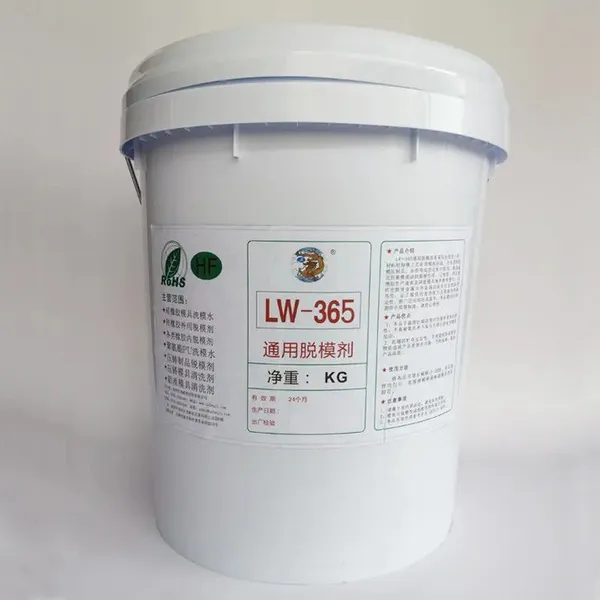 Read More
-
Mold Release Agent Spray Pressure and Atomization: Getting the Film Right at the Nozzle
October 22, 2026Mold Release Agent Spray Pressure and Atomization: Getting the Film Right at the NozzleSpraying looks like the simplest way to app Read More
-
Wall Slip and Ejection Problems on Vertical Molds: Why Mold Release Agent Is Not Enough
October 22, 2026Wall Slip and Ejection Problems on Vertical Molds: Why Mold Release Agent Is Not EnoughOn a vertical mold, the cavity runs paralle Read More

Contact Us
Recommended Products
-
 PTFE / Teflon Coated Mold Cleaner - Chemical Clean Without Scraping, High-Temp SafeNegotiableMOQ: 200 Kilograms
-
Painting / Printing / Bonding-Friendly Silicone Release Agent - Low Residue, pH 9NegotiableMOQ: 200 Kilograms
-
Multi-Material Water-Based Release Agent for FKM, Silicone, PU & Thermoset (pH 8, 20-50x)NegotiableMOQ: 200 Kilograms
-
Semi-Aqueous Silicone & Rubber Mold Cleaner - Low Odor, Spray or Soak (pH 13)NegotiableMOQ: 200 Kilograms
-
LW-369-2 Water Based Polyurethane Release Agent for Shoe Soles Elastomers and PU FoamNegotiableMOQ: 200 Kilograms
-
LW-361 Water Based Silicone Release Agent for LSR and HTV Silicone MoldingNegotiableMOQ: 200 Kilograms
-
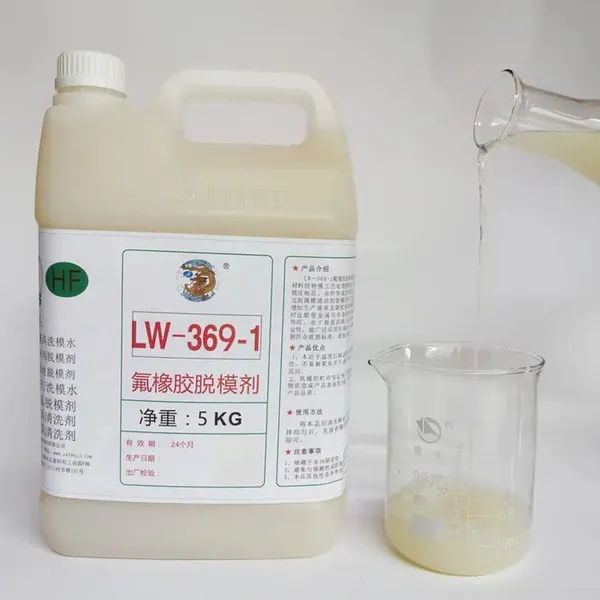
LW-369-1 Release Agent for Fluoro Rubber Epoxy Polyester and Thermoset Compression MoldingNegotiableMOQ: 200 Kilograms
-
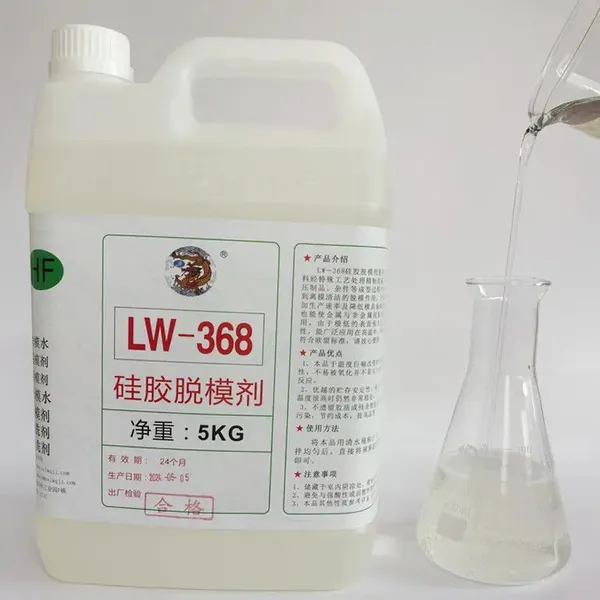
LW-368 Water Based Silicone Release Agent pH 10 for Silicone Molding and Surface LubricationNegotiableMOQ: 200 Kilograms
-
LW-366 Water Based Silicone Release Agent Compatible With Painting Printing and BondingNegotiableMOQ: 200 Kilograms
-
LW-365 General Purpose Release Agent for Fluoro Rubber Silicone PU and Thermoset ResinsNegotiableMOQ: 200 Kilograms
-
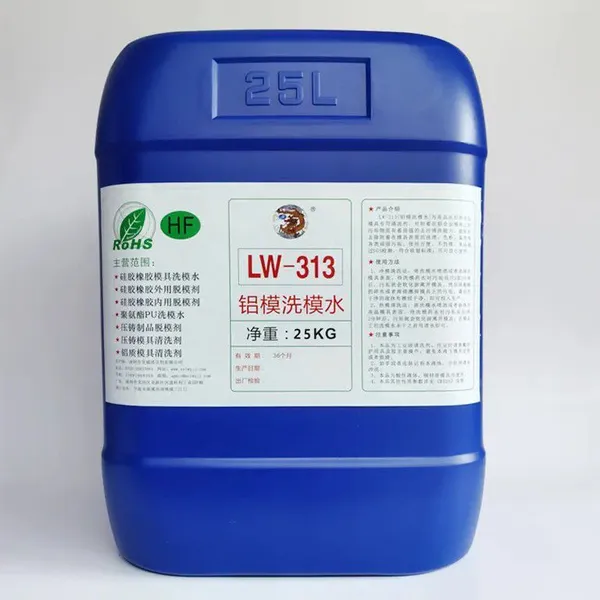
LW-313 Aluminum Mold Cleaner Removes Oil Colorant Dye and Light Oxidation LayerNegotiableMOQ: 200 Kilograms
-
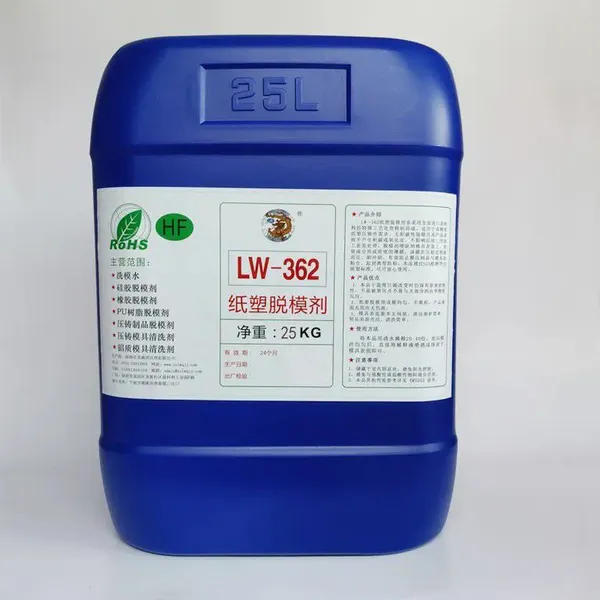
LW-362 Water Based Release Agent for Pulp Molding and Paper Tray ProductionNegotiableMOQ: 200 Kilograms
-
LW-358 Internal Silicone Release Agent Paste for High Temperature Silicone MoldingNegotiableMOQ: 200 Kilograms
-
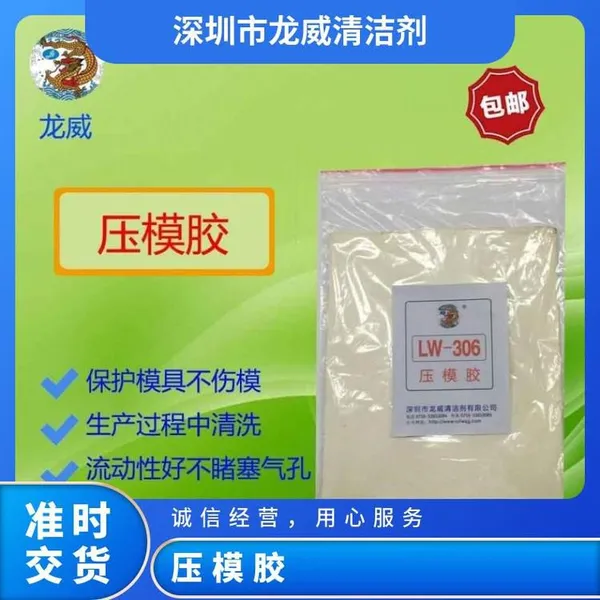
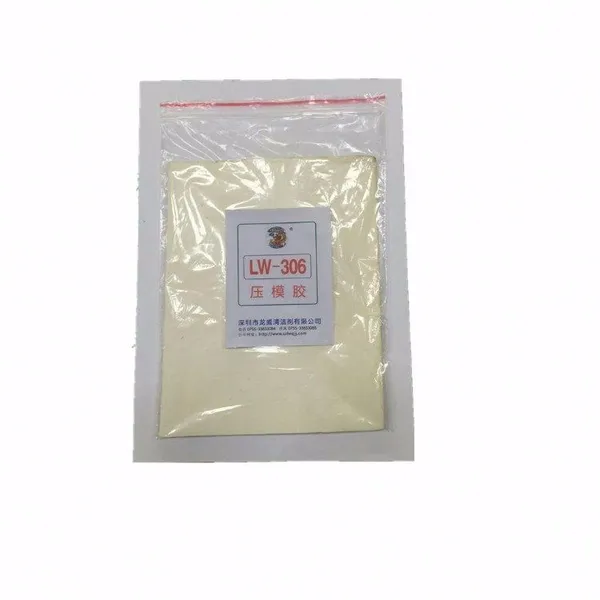
LW-306 Premium Mold Cleaning Rubber for Semiconductor & Rubber MoldingNegotiableMOQ: 200 Kilograms
-
Longwei LW Water-based Polyurethane (PU) Mold Release Agent ManufacturerNegotiableMOQ: 200 Kilograms
-
LW-306 Mold Cleaning Rubber Sheet for Silicone & Rubber Molds - No Disassembly Required, Non-Damaging (Not for Electroplated Molds) - Factory DirectNegotiableMOQ: 200 Kilograms
-
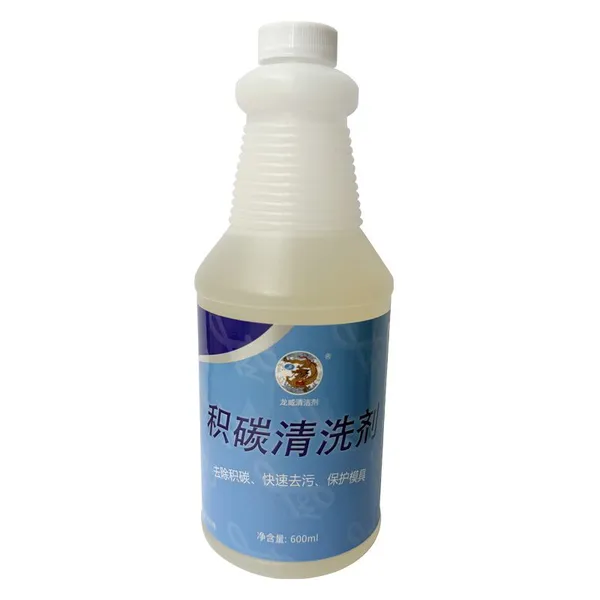
Specialized Carbon Deposit Cleaner for Zinc, Magnesium, and Aluminum Die-casting Molds - Fast Cleaning With No ResidueNegotiableMOQ: 200 Kilograms
-
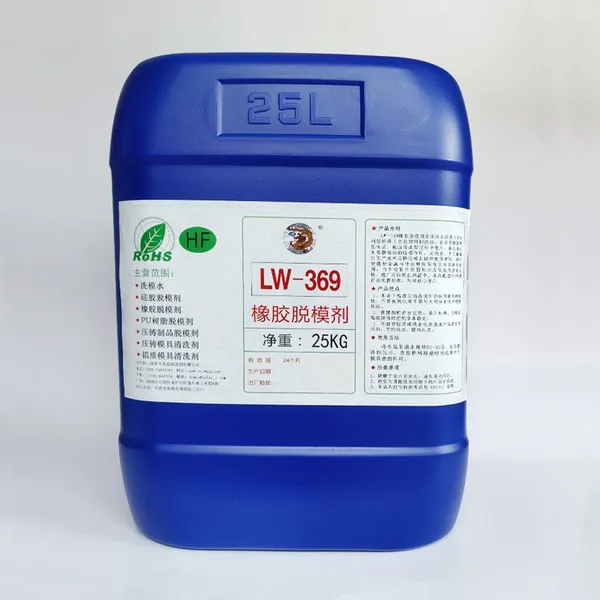
Specialized Rubber Release Agent for Seals, Shock Absorbers, Shoe Soles, and TiresNegotiableMOQ: 200 Kilograms
-
LW-303 Semi Water Based Mold Cleaner for Silicone and Rubber Molds Spray or SoakNegotiableMOQ: 500 Kilograms
-
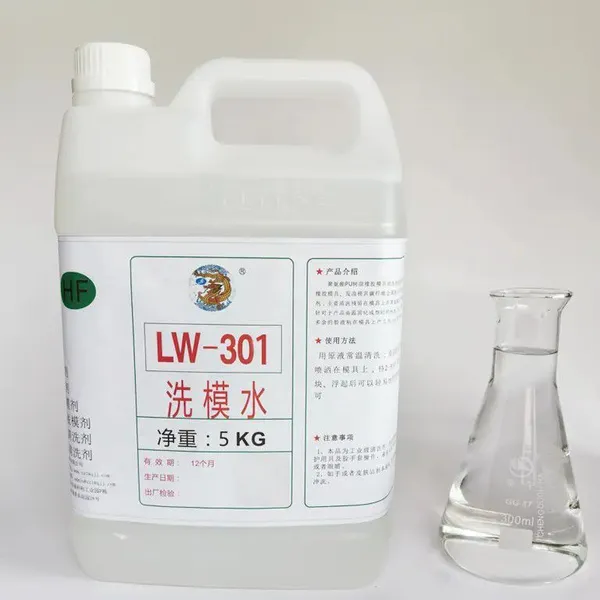
LW-301 Iron and Steel Mold Cleaner Removes Rubber Residue and Release Agent Build-UpNegotiableMOQ: 500 Kilograms