 Business License
How to Write a Release Agent Enquiry That Gets a Correct Quotation First Time
How to Write a Release Agent Enquiry That Gets a Correct Quotation First Time
Most of the slow quotations we receive are slow for the same reason: the enquiry does not say what the release agent has to do. A request for "mould release agent, 100 kg" cannot be quoted correctly, because the right answer ranges from a general-purpose water-based grade to a low-residue grade for parts that must be painted - and the price difference is significant.
The purpose of an enquiry is not to get a price. It is to get the right grade, at the right dilution, at the right volume. This guide is the information checklist that gets you there in one exchange instead of four.
The Seven Things a Supplier Actually Needs
| # | Information | Why it changes the answer |
|---|---|---|
| 1 | Mould material - silicone, rubber, PU, die cast aluminium, zinc, steel, PTFE-coated | Determines the pH and chemistry range. Acidic cleaners are not used on steel; alkaline is not right for some aluminium alloys |
| 2 | What you are releasing - LSR, HTV silicone, FKM, NBR, EPDM, PU, epoxy, polyester, thermoset, paper-plastic, or metal die casting | This is the single most important field. One cavity running three materials needs a multi-material grade |
| 3 | Process - compression, injection, transfer, extrusion, die casting, rotational | Determines shear, dwell time and how the film is applied |
| 4 | Mould temperature | Determines how much the carrier evaporates and whether the film can be semi-aqueous or must be water-free |
| 5 | How the part is used afterwards - painted, printed, bonded, plated, or food contact / medical | Determines residue requirements. This is where low-residue grades are mandatory, not optional |
| 6 | Surface standard - cosmetic, matte, technical, or hidden | Decides the film thickness you can afford and how much application control is needed |
| 7 | Volume, frequency and destination country | Determines packaging (5 / 20 / 25 kg), MOQ, freight options and the documentation you will need |
Items 1, 2 and 5 are the ones that most often go unanswered - and they are the ones that decide whether the quotation is right.
If You Are Cleaning Moulds Rather Than Releasing Parts
Mould cleaners need different information. A cleaning enquiry should state:
Mould material and whether it is coated - PTFE, chrome-plated or bare steel changes the answer completely (abrasive methods and aggressive chemistry must both be avoided on coated tools)
What the deposit is - cured polymer, carbon, rust, scale, or release-agent residue
How old and how thick - a deposit built over six months needs a different strength and contact time from a light film
Cleaning method available - wipe, soak bath, spray booth, ultrasonic
Frequency and downtime tolerance - a line that cannot stop prefers a grade that works fast at preventive strength
Water quality, if the grade is aqueous - hard water changes dilution behaviour and residue behaviour
A Ready-to-Send Enquiry
Copy this structure into your message and fill in the blanks. It is what a competent supplier needs to quote accurately, and it will also tell you quickly whether you are talking to someone who asks the right follow-up questions:
Product needed: mould release agent / mould cleaner
Mould material: e.g. aluminium 6061 die casting die / silicone tool / 45# steel
Material being released: e.g. LSR silicone / NBR rubber / PU
Process: e.g. compression moulding, 150 degC mould temperature
Part requirement: e.g. cosmetic surface / will be painted and bonded / technical surface
Application method: dip / spray / wipe / brush / internal addition
Current product and what is wrong with it: e.g. fisheyes, high consumption, sticking in corners, frequent cleaning
Trial quantity: e.g. 5 kg sample / 1 drum trial / 500 kg per month
Destination country and preferred delivery term
Documents required: TDS / SDS / COA / RoHS / REACH
What a Good Supplier Response Looks Like
A useful quotation is more than a price and a lead time. Look for the supplier who:
Asks about your process before proposing a grade, or at least asks the questions you did not answer.
Specifies the dilution explicitly - "dilute 1:20 to 1:50" - and says whether it is for a bath or spray.
States pH and application, and mentions a limitation of the recommended product. A supplier who names no downside is not answering the question.
Offers a sample before a full order. Testing on your own mould, with your own part, is the only verification that matters.
Sends documents unprompted - TDS and SDS at minimum, COA with the shipment.
At LONGWEI this is standard: we ask about the mould material, the material being released, the process and the post-production requirement before recommending a grade, we supply samples in 5 kg, 20 kg and 25 kg packs, we provide TDS, SDS, COA and RoHS / REACH reports, and samples can be shipped DDP with clearance and duties on our account so you need no courier account.
Where the Grades Sit
For reference, so you can name the right category in your enquiry:
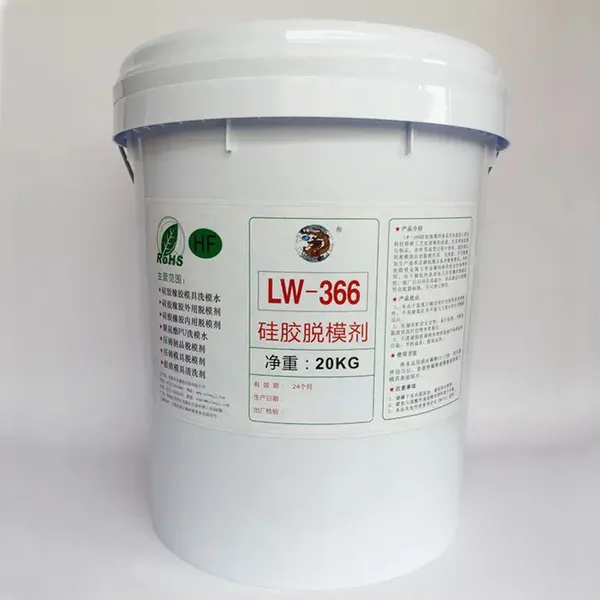
Silicone / LSR / HTV - LW-361 (pH 8), LW-366 (pH 9, low residue for painted / printed / bonded parts)
Rubber - FKM, NBR, EPDM - LW-365 (pH 8, 20-50x), LW-365G (multi-material incl. silicone, PU, thermoset)
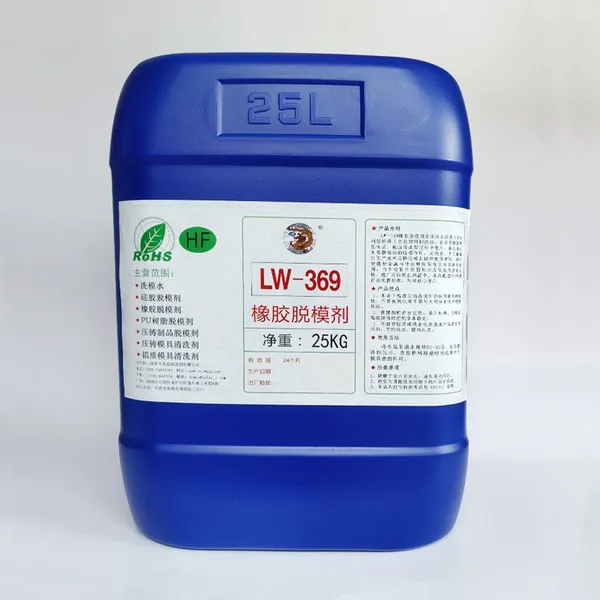
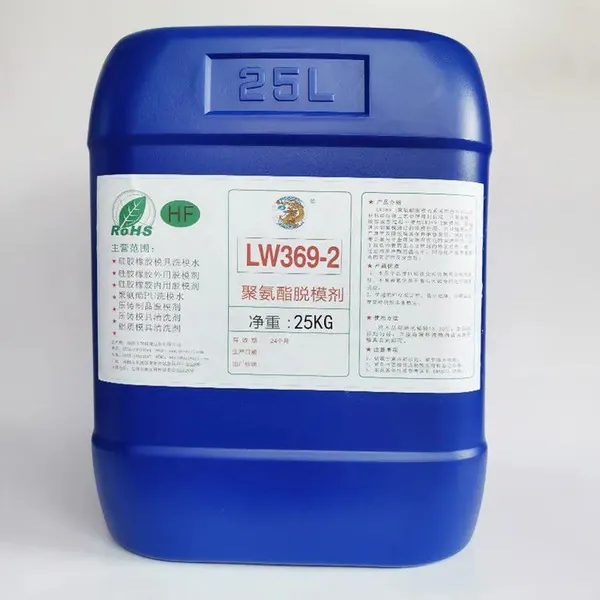
PU - LW-369-2
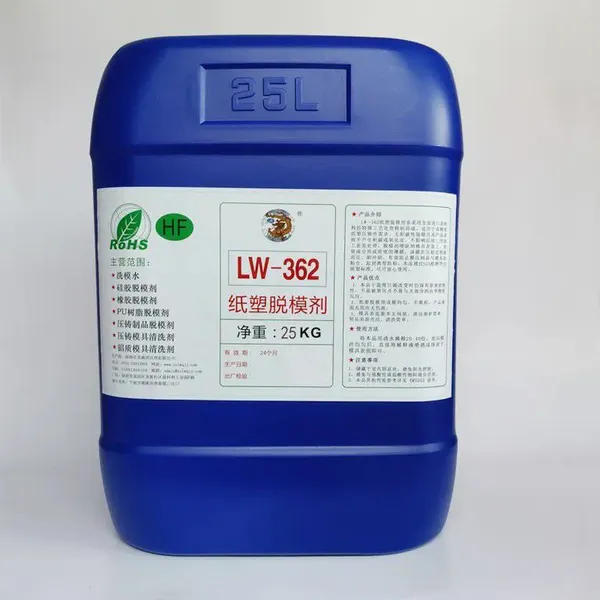
Paper-plastic / pulp moulding - LW-362
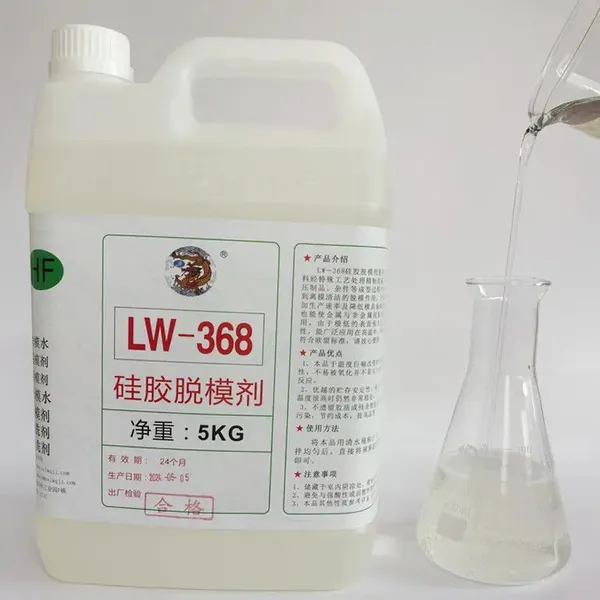
Release plus lubrication - LW-368 (pH 10); internal release - LW-358 (no dilution film)
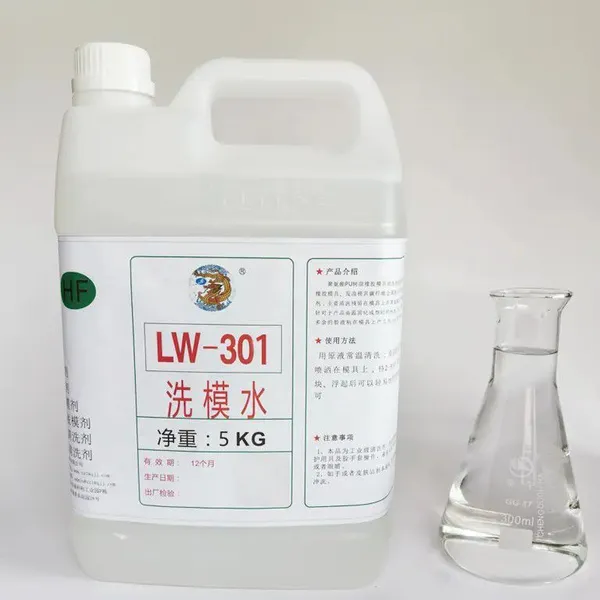
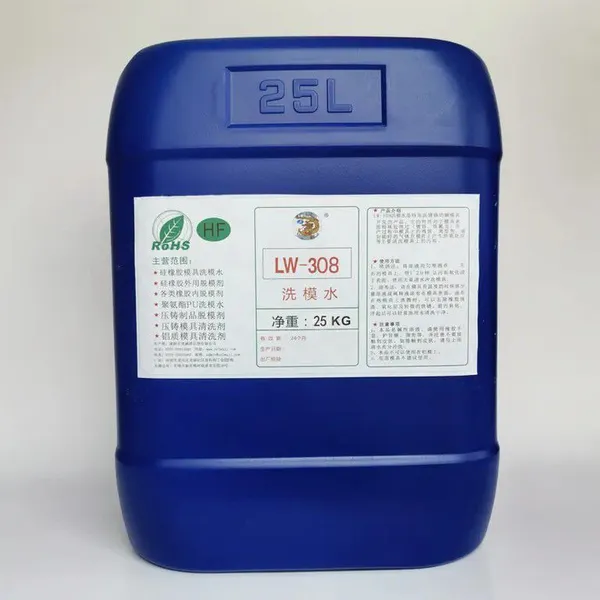
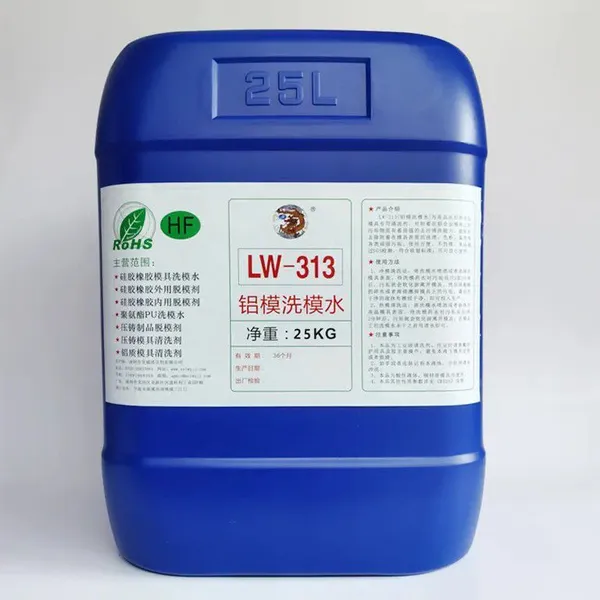
Mould cleaners - LW-303 / LW-303S (semi-aqueous), LW-301 (iron and steel, pH 12), LW-305 (water-soluble concentrate for die casting dies), LW-313 (acidic for aluminium), LW-308P (PTFE-coated moulds)
Send us the seven items above and we will come back with a grade, a dilution and a price - and a sample if you want to test before committing.
Contact LONGWEI for a free sample and technical consultation. Tell us your process, material and mould temperature, and our engineers will recommend a matched grade.
Recently Posted
-
Solvent-Based vs Water-Based Mold Release Agent: Can You Switch Grades?
October 22, 2026Solvent-Based vs Water-Based Mold Release Agent: Can You Switch Grades?Most plants running solvent-based release agents are not do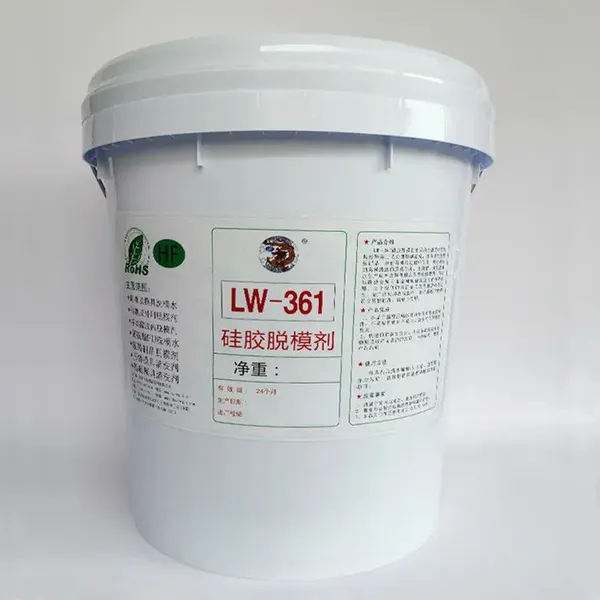 Read More
-
Mold Release Agent Tank Changeover: Switching Products Without Losing Your Process
October 22, 2026Mold Release Agent Tank Changeover: Switching Products Without Losing Your ProcessChanging a dilution tank is a small operation th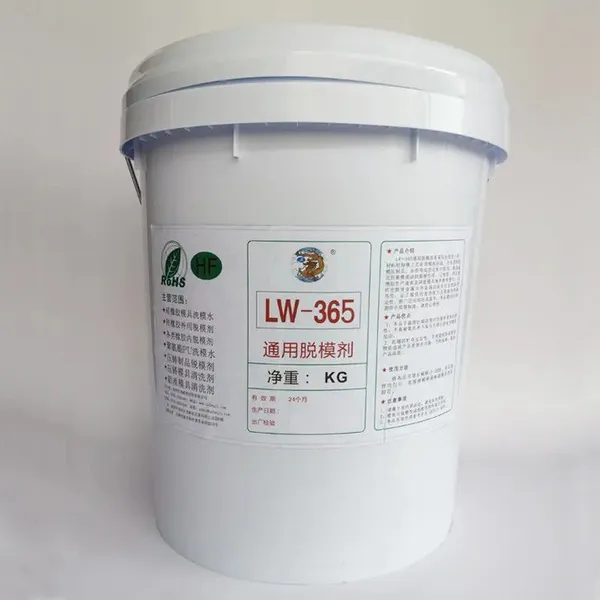 Read More
-
Mold Release Agent Spray Pressure and Atomization: Getting the Film Right at the Nozzle
October 22, 2026Mold Release Agent Spray Pressure and Atomization: Getting the Film Right at the NozzleSpraying looks like the simplest way to app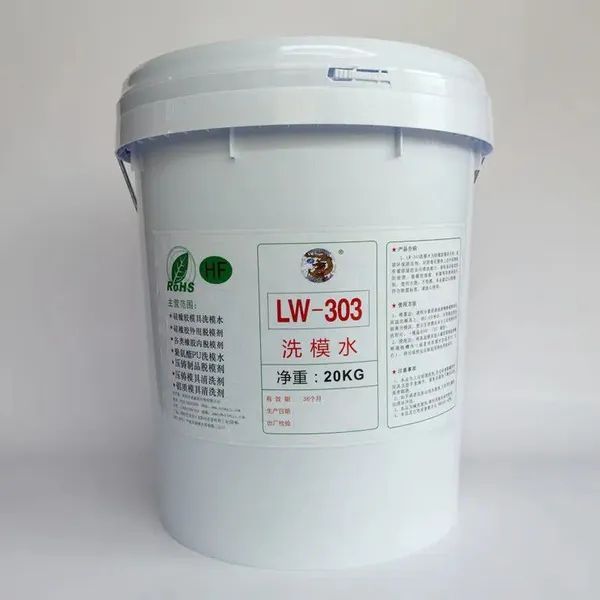 Read More
-
Wall Slip and Ejection Problems on Vertical Molds: Why Mold Release Agent Is Not Enough
October 22, 2026Wall Slip and Ejection Problems on Vertical Molds: Why Mold Release Agent Is Not EnoughOn a vertical mold, the cavity runs paralle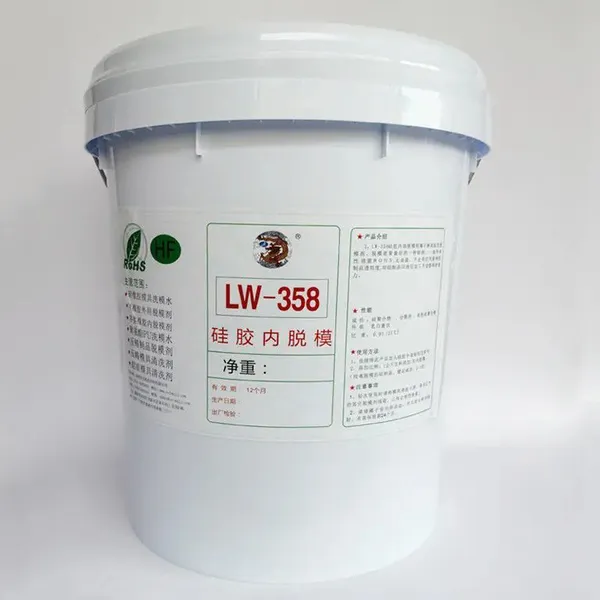 Read More

Contact Us
Recommended Products
-
 PTFE / Teflon Coated Mold Cleaner - Chemical Clean Without Scraping, High-Temp SafeNegotiableMOQ: 200 Kilograms
-
Painting / Printing / Bonding-Friendly Silicone Release Agent - Low Residue, pH 9NegotiableMOQ: 200 Kilograms
-
Multi-Material Water-Based Release Agent for FKM, Silicone, PU & Thermoset (pH 8, 20-50x)NegotiableMOQ: 200 Kilograms
-
Semi-Aqueous Silicone & Rubber Mold Cleaner - Low Odor, Spray or Soak (pH 13)NegotiableMOQ: 200 Kilograms
-
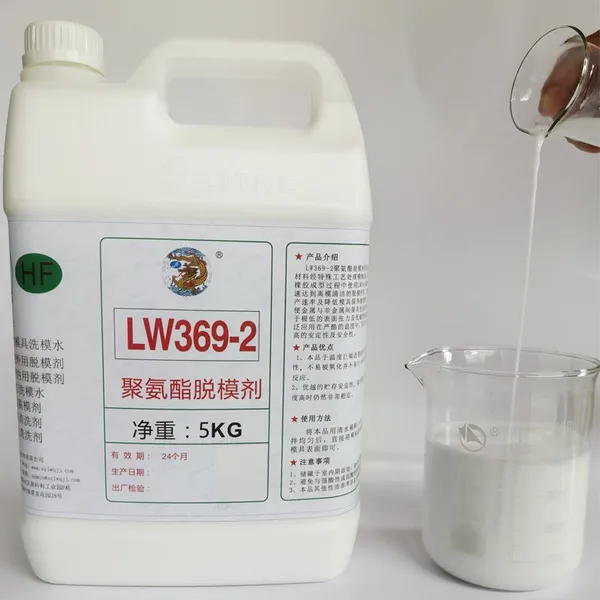
LW-369-2 Water Based Polyurethane Release Agent for Shoe Soles Elastomers and PU FoamNegotiableMOQ: 200 Kilograms
-
LW-361 Water Based Silicone Release Agent for LSR and HTV Silicone MoldingNegotiableMOQ: 200 Kilograms
-
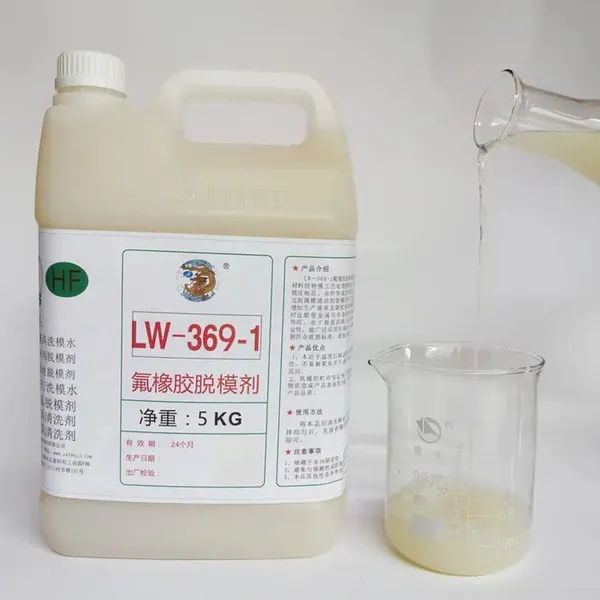
LW-369-1 Release Agent for Fluoro Rubber Epoxy Polyester and Thermoset Compression MoldingNegotiableMOQ: 200 Kilograms
-
LW-368 Water Based Silicone Release Agent pH 10 for Silicone Molding and Surface LubricationNegotiableMOQ: 200 Kilograms
-
LW-366 Water Based Silicone Release Agent Compatible With Painting Printing and BondingNegotiableMOQ: 200 Kilograms
-
LW-365 General Purpose Release Agent for Fluoro Rubber Silicone PU and Thermoset ResinsNegotiableMOQ: 200 Kilograms
-
LW-313 Aluminum Mold Cleaner Removes Oil Colorant Dye and Light Oxidation LayerNegotiableMOQ: 200 Kilograms
-
LW-362 Water Based Release Agent for Pulp Molding and Paper Tray ProductionNegotiableMOQ: 200 Kilograms
-
LW-358 Internal Silicone Release Agent Paste for High Temperature Silicone MoldingNegotiableMOQ: 200 Kilograms
-
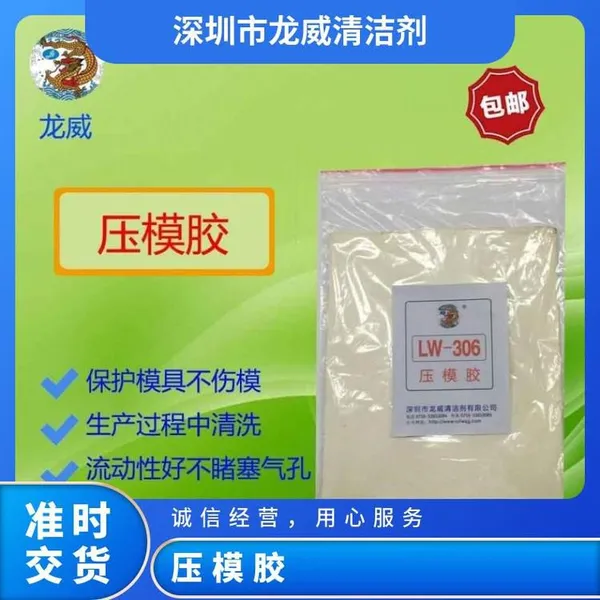
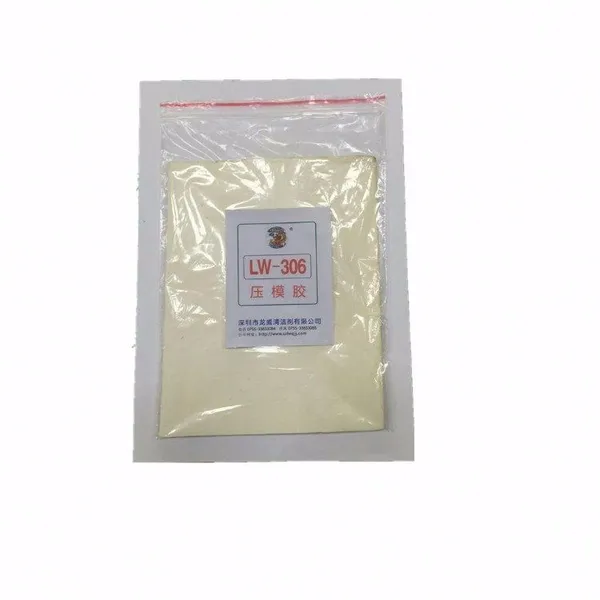
LW-306 Premium Mold Cleaning Rubber for Semiconductor & Rubber MoldingNegotiableMOQ: 200 Kilograms
-
Longwei LW Water-based Polyurethane (PU) Mold Release Agent ManufacturerNegotiableMOQ: 200 Kilograms
-
LW-306 Mold Cleaning Rubber Sheet for Silicone & Rubber Molds - No Disassembly Required, Non-Damaging (Not for Electroplated Molds) - Factory DirectNegotiableMOQ: 200 Kilograms
-
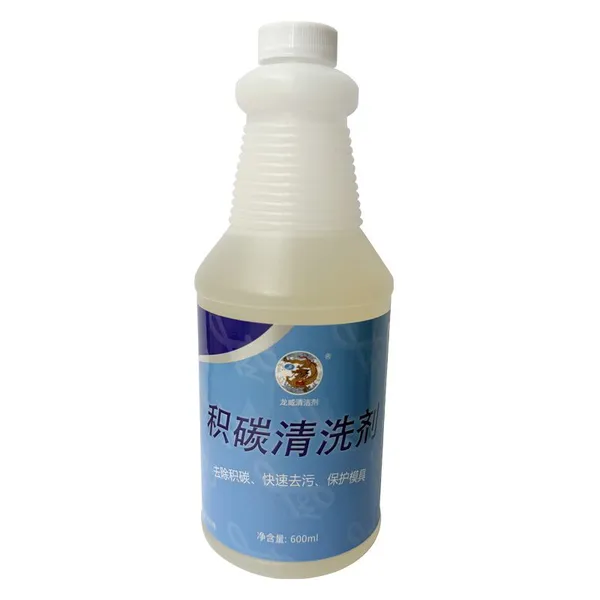
Specialized Carbon Deposit Cleaner for Zinc, Magnesium, and Aluminum Die-casting Molds - Fast Cleaning With No ResidueNegotiableMOQ: 200 Kilograms
-
Specialized Rubber Release Agent for Seals, Shock Absorbers, Shoe Soles, and TiresNegotiableMOQ: 200 Kilograms
-
LW-303 Semi Water Based Mold Cleaner for Silicone and Rubber Molds Spray or SoakNegotiableMOQ: 500 Kilograms
-
LW-301 Iron and Steel Mold Cleaner Removes Rubber Residue and Release Agent Build-UpNegotiableMOQ: 500 Kilograms