 Business License
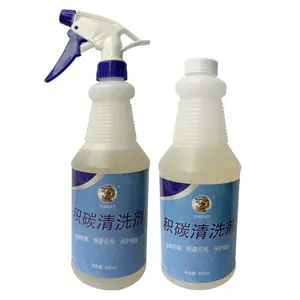
LW-305 Mold Cleaner High-Efficiency Residue and Scale Removal Solution
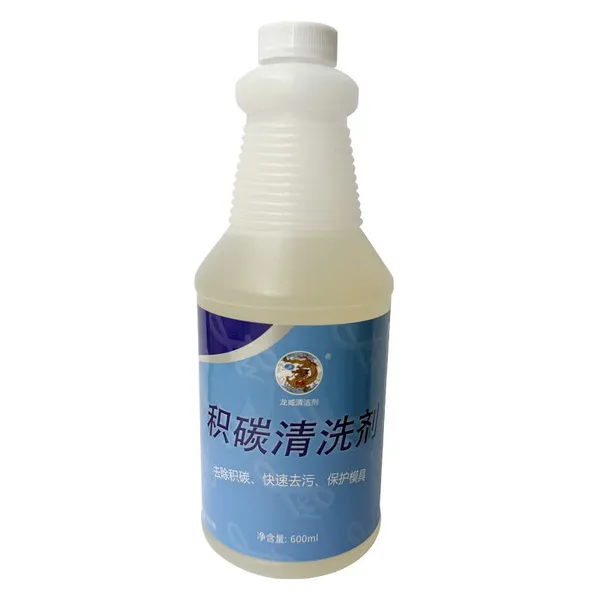
How to Solve the Dilemma of Carbon Deposit Cleaning in Die Casting Molds? LW-305 Mold Cleaner – High-Efficiency Decarbonization Solution
In the die casting production process, the issue of carbon deposits on the mold surface directly determines the yield rate of the products. Whether it is zinc alloy, magnesium alloy, or aluminum alloy die casting, stubborn carbon deposits formed by the carbonization of release agent organics under high temperature and high pressure, along with accompanying alloy residues and oil stains, are stubborn problems that give production supervisors headaches.
Traditional physical polishing is not only time-consuming and laborious but also damages the precision of the mold. Today, we are going to introduce an industrial cleaner specifically designed to solve the problem of mold carbon deposits—the LW-305 Die Casting Mold Cleaner—and see how it helps companies achieve decarbonization, cost reduction, and efficiency enhancement through chemical cleaning technology.
Why Choose LW-305? Analysis of Core Decarbonization Advantages
LW-305 is a high-performance cleaner developed by Shenzhen Longwei Cleaner Co., Ltd., specifically targeting the pain points of carbon deposits in the die casting industry. Compared with ordinary cleaners on the market, it has significant advantages in decarbonization:
Targeted Decarbonization: Perfectly adapts to the cleaning needs of various metal die casting molds such as zinc alloy, magnesium alloy, and aluminum alloy, specifically targeting the stubborn carbon deposit layers formed by the carbonization of release agent residues.
High-Efficiency Dissolution: Capable of quickly softening, decomposing, and peeling off carbon deposits, aluminum slag, and oil stains on the mold surface. The cleaned mold surface is clean and bright, restoring its original metallic color.
Hot Mold Decarbonization: Supports hot mold cleaning without the need to wait for the mold to cool down completely. At high temperatures, the dissolution speed of carbon deposits is faster, significantly shortening downtime.
Economical and Practical: As a water-soluble concentrated liquid, it can be diluted with water according to the severity of the carbon deposits. It can not only remove heavy carbon deposits but also treat light rust, effectively reducing the cost of a single cleaning.
LW-305 Mold Cleaner Decarbonization Operating Procedure
To achieve the best decarbonization effect and protect the mold, it is recommended to choose one of the following two cleaning methods according to actual working conditions:
Method 1: Sprinkling Method (Suitable for local or in-line decarbonization)
Application: Apply/pour a small amount of LW-305 neat solution or diluted solution directly onto the carbon deposits on the mold.
Reaction: Wait for 2-3 minutes and observe the automatic softening and detachment of carbon deposits and dirt.
Rinsing: Key point — The mold must be thoroughly rinsed with clean water before the mold cleaner dries out. If the liquid dries up, the dissolved carbon deposits may re-adhere to the mold surface.Note: The decarbonization effect is better when the mold temperature is above 100℃; at room temperature, wait until the carbon deposits are completely dissolved before rinsing with water.
Method 2: Immersion Method (Suitable for disassembled decarbonization)
Preparation: Fill a tank with the neat solution or diluted solution.
Soaking:
Room temperature mold: It is recommended to heat the mold cleaner to about 80℃ and soak for about 2-3 minutes.
Hot mold: Can be directly put into the room temperature solution and soaked for 2-3 minutes.
Cleaning: Appropriately extend the soaking time depending on the thickness of the carbon deposits. After the carbon deposits are completely softened, take it out and rinse it clean with water.
Safety and Storage Precautions
As an alkaline industrial cleaner, standardized operation is a prerequisite for safe production:
| Precautions | Explanation |
|---|---|
| Protective measures | This product is an alkaline solution. When operating, be sure to wear rubber gloves to avoid direct contact with the skin. |
| Emergency treatment | If the skin accidentally comes into contact with the solution, immediately rinse with plenty of running clean water. |
| Special molds | For molds with special surface treatments, it is recommended to test on a small scale before large-scale use. |
| Packaging specifications | Provides 1kg, 5kg, and 20kg drum packaging specifications to meet the needs of production lines of different scales. |
Frequently Asked Questions (FAQ)
Q: Can LW-305 remove rust from molds?A: Yes. In addition to specifically targeting carbon deposits and oil stains, LW-305 also has a good removal effect on light rust on the mold surface.
Q: Do molds need to be cooled when cleaning carbon deposits?A: No. LW-305 supports hot mold cleaning. High temperatures actually help the rapid dissolution of carbon deposits, which can significantly save the time waiting for the mold to cool down and improve production efficiency.
Q: Can this decarbonizer be used in a diluted form?A: Yes. It is a water-soluble concentrated liquid. You can dilute it with water in proportion according to the severity of the carbon deposits on the mold to achieve the best economic benefits.
Conclusion
Choosing the right decarbonization solution is a key link in ensuring the stability of the die casting process. With its high-efficiency carbon deposit dissolution ability and flexible usage methods, LW-305 Die Casting Mold Cleaner has become the preferred solution for many die casting companies to maintain their molds. If you are looking for a way to improve the efficiency of mold decarbonization, you might as well try this professional industrial cleaner.

Contact Us
Recommended Products
-
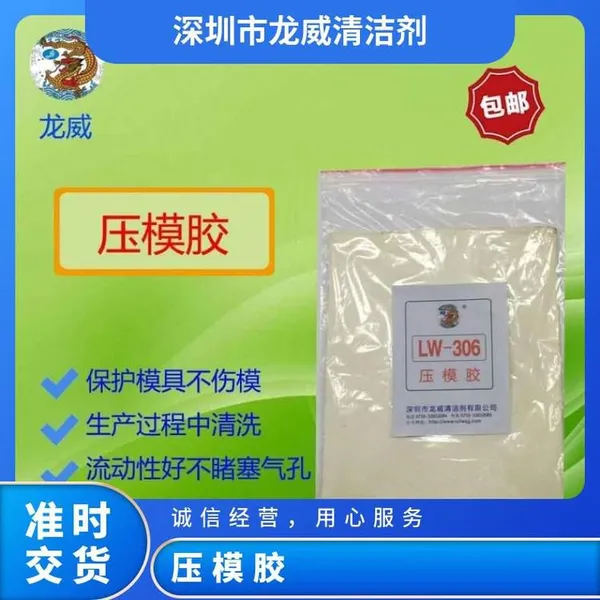
 LW-306 Premium Mold Cleaning Rubber for Semiconductor & Rubber MoldingNegotiableMOQ: 50 Kilograms
 -
Longwei LW Water-based Polyurethane (PU) Mold Release Agent ManufacturerNegotiableMOQ: 50 Kilograms
-
Longwei Liquid Mold Silicone Mold Release Agent – Water-Based, Specially Formulated for Vulcanized Silicone | Manufacturer DirectNegotiableMOQ: 50 Kilograms
-
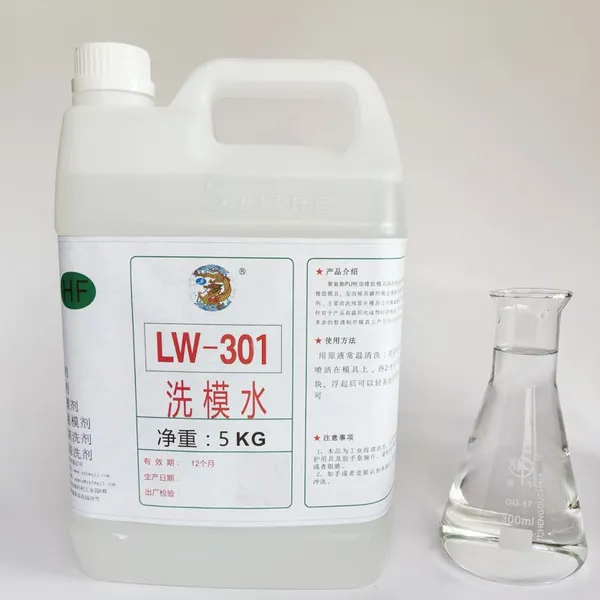
LW-301 is a Specialized Mold Cleaner for Iron Molds. It Cleans Rapidly Without Damaging the Mold Surface.NegotiableMOQ: 50 Kilograms
-
LW-306 Mold Cleaning Rubber Sheet for Silicone & Rubber Molds - No Disassembly Required, Non-Damaging (Not for Electroplated Molds) - Factory DirectNegotiableMOQ: 200 Kilograms
-
Specialized Carbon Deposit Cleaner for Zinc, Magnesium, and Aluminum Die-casting Molds - Fast Cleaning With No ResidueNegotiableMOQ: 200 Cases
-
Longwei PU Foaming Polyurethane Mold Cleaner / Specialized Polyurethane Cleaner for EVA Aluminum Molds - ManufacturerNegotiableMOQ: 200 Kilograms
-
Odorless Mirror-Finish Mold Release Agent for Industrial Liquid Silicone Rubber (LSR)NegotiableMOQ: 200 Kilograms
-
Specialized Rubber Release Agent for Seals, Shock Absorbers, Shoe Soles, and TiresNegotiableMOQ: 200 Kilograms
-
Specialized Mold Cleaning Fluid for Mechanical Iron Molds | Fast Cleaning & Mold-SafeUS$ 40MOQ: 50 Kilograms