 Business License
Mold Cleaning 101: How to Identify and Remove Carbon, Rust and Residue
Mold Cleaning 101: How to Identify and Remove Carbon, Rust and Residue
Most moulding problems blamed on the release agent are actually mould cleanliness problems. A dirty mould cannot release reliably, cannot hold a semi-permanent film, and cannot produce a consistent surface. This guide covers how to identify what is on your mould and which cleaning chemistry removes it.
Step 1: Identify What You Are Actually Cleaning
Different deposits need different chemistry. Using the wrong one wastes time and can damage the mould.
| Deposit | Appearance | Typical Cause |
|---|---|---|
| Release agent residue | Oily or waxy film, rainbow sheen | Over-application, insufficient blow-off |
| Light carbon | Thin brown to black film | Normal thermal breakdown over a run |
| Heavy carbon | Thick hard black crust, worst in vents and corners | Over-concentrated release agent + high die temperature + hard water |
| Rust | Red-brown spots or bloom | Water-based release agent, humidity, storage without protection |
| Resin / rubber build-up | Hard translucent to amber deposit | Material degradation, vent bleed |
| Scale | Grey-white chalky film | Hard dilution water |
Step 2: Match the Chemistry to the Deposit
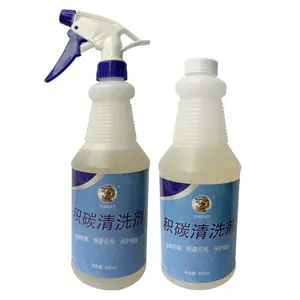
Residue, grease, light carbon - a fast-drying solvent mould cleaner. Spray, wipe, done in minutes.
Heavy carbon - a penetrating carbon remover with 5-30 minutes contact time. Never scrape with steel tools; you will destroy the polish and the texture.
Rust - a chelating rust remover that lifts oxide without attacking the base metal. Avoid aggressive acid pickling on precision tooling.
Scale - an acidic descaler, or simply switch to softened water and prevent it.
Step 3: Always Protect Afterwards
This is the step everyone skips. After any deep cleaning, the metal is completely bare. In a humid workshop, a bare mould can start rusting within hours. Always finish with a rust preventive - especially before storage, overnight stops or weekend shutdowns.
Step 4: Check Mould Material First
Steel grades are not safe on aluminium. A caustic cleaner formulated for tool steel will attack an aluminium mould or die. Check the grade before you apply anything, and keep steel-grade and aluminium-grade products clearly labelled and physically separated in the workshop.
Recommended Maintenance Rhythm
| Frequency | Action |
|---|---|
| Every shift | Light solvent clean of cavity surface |
| Weekly | Inspect vents and deep ribs; penetrating carbon removal if needed |
| Every material / colour change | Full cavity clean |
| Before any storage | Clean + rust preventive + wrap |
How We Can Help
LONGWEI supplies the full chain - mould cleaner, carbon remover, rust remover and rust preventive - as matched products that will not fight each other. Our range covers iron moulds, tool steel, aluminium dies, silicone and rubber moulds. Send us a photo of your mould condition and we will specify the procedure.
Contact LONGWEI for a free sample and technical consultation. Tell us your process, material and mould temperature, and our engineers will recommend a matched grade.
Recently Posted
-
Top 10 Mold Release Problems and How to Fix Them - Troubleshooting Guide
September 29, 2026Top 10 Mold Release Problems and How to Fix ThemA troubleshooting reference for the ten problems we see most often on moulding lin Read More
 -
How to Choose the Right Mold Release Agent: 7 Factors That Actually Matter
September 24, 2026How to Choose the Right Mold Release Agent: 7 Factors That Actually MatterChoosing a release agent by price per litre is the most Read More
 -
Case Study: Eliminating Carbon Build-Up on Aluminium Die Casting Dies
September 24, 2026Case Study: Eliminating Carbon Build-Up on Aluminium Die Casting DiesThe ProblemAn aluminium die casting plant running automotive Read More
 -
LW-305 Mold Cleaner High-Efficiency Residue and Scale Removal Solution
July 23, 2026How to Solve the Dilemma of Carbon Deposit Cleaning in Die Casting Molds? LW-305 Mold Cleaner – High-Efficiency Decarbonization So Read More

Contact Us
Recommended Products
-
 LW-369-1 Release Agent for Fluoro Rubber Epoxy Polyester and Thermoset Compression MoldingNegotiableMOQ: 1 Kilogram
 -
LW-368 Water Based Silicone Release Agent pH 10 for Silicone Molding and Surface LubricationNegotiableMOQ: 1 Kilogram
-
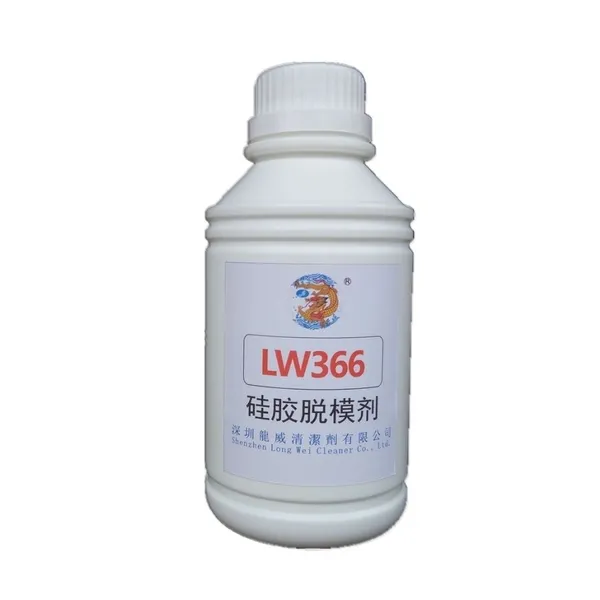
LW-366 Water Based Silicone Release Agent Compatible With Painting Printing and BondingNegotiableMOQ: 1 Kilogram
-
LW-365 General Purpose Release Agent for Fluoro Rubber Silicone PU and Thermoset ResinsNegotiableMOQ: 1 Kilogram
-
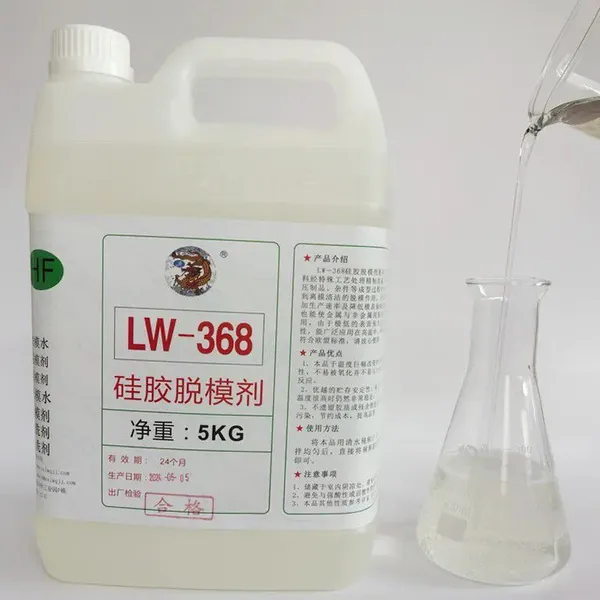
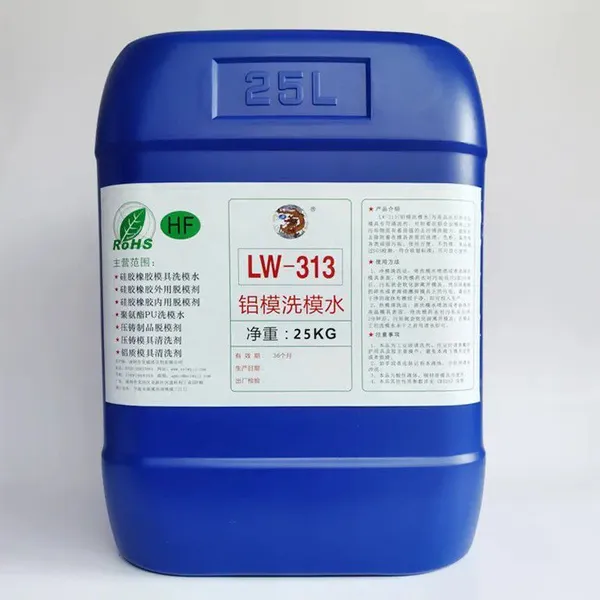
LW-313 Aluminum Mold Cleaner Removes Oil Colorant Dye and Light Oxidation LayerNegotiableMOQ: 1 Kilogram
-
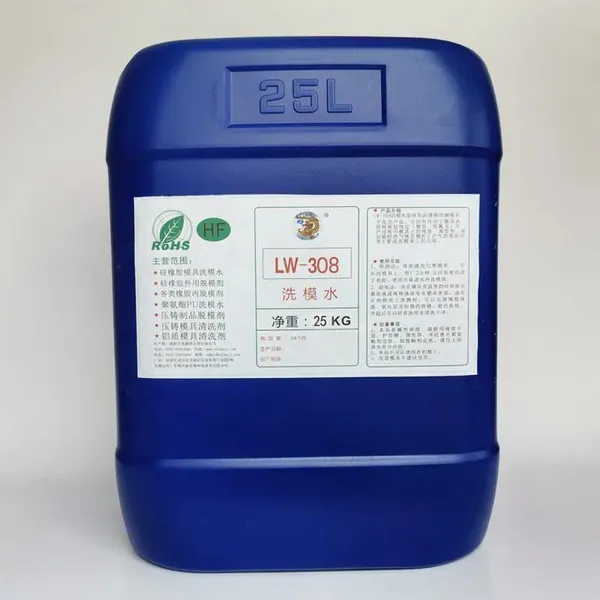
LW-308 PTFE Coated Mold Cleaner Removes High Temperature Surface DepositsNegotiableMOQ: 1 Kilogram
-
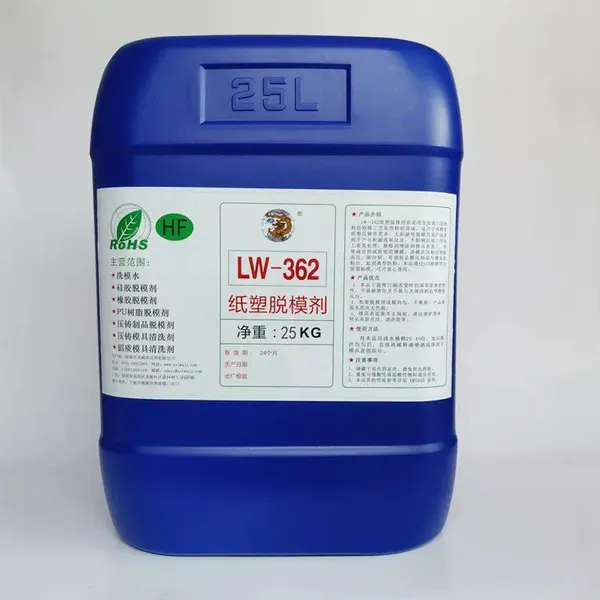
LW-362 Water Based Release Agent for Pulp Molding and Paper Tray ProductionNegotiableMOQ: 1 Kilogram
-
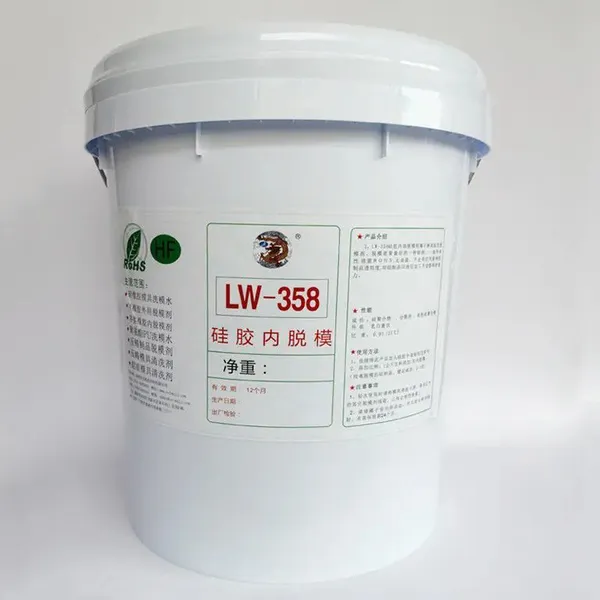
LW-358 Internal Silicone Release Agent Paste for High Temperature Silicone MoldingNegotiableMOQ: 1 Kilogram
-
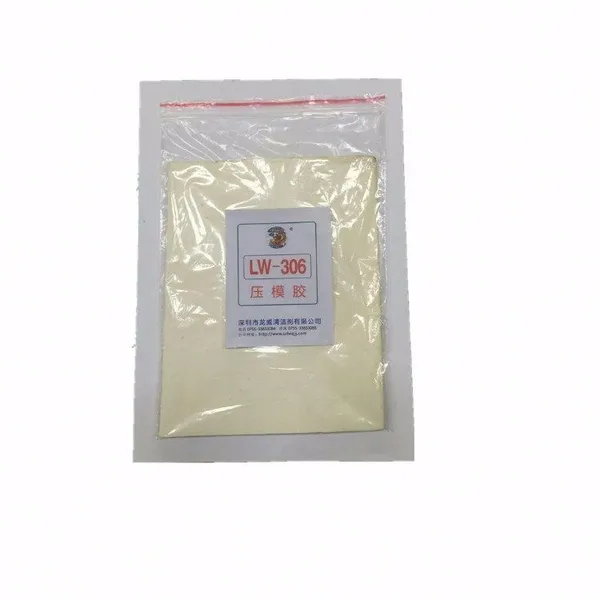
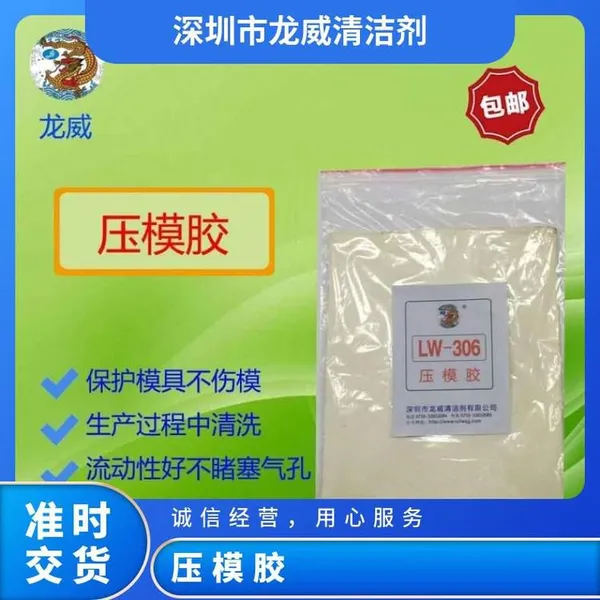
LW-306 Premium Mold Cleaning Rubber for Semiconductor & Rubber MoldingNegotiableMOQ: 50 Kilograms
-
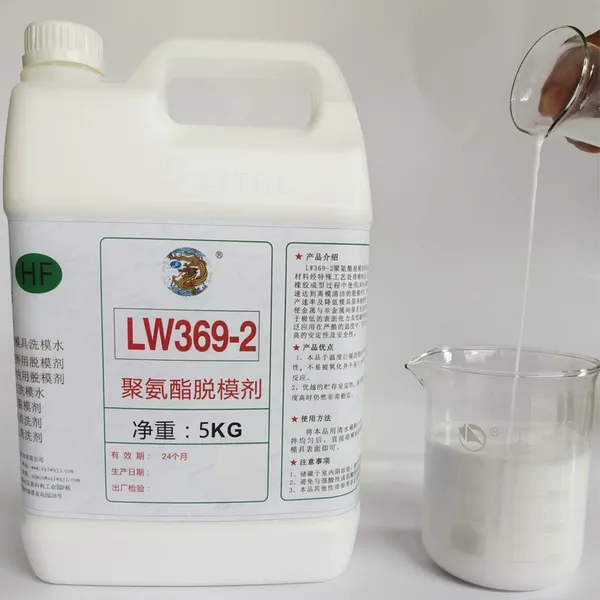
Longwei LW Water-based Polyurethane (PU) Mold Release Agent ManufacturerNegotiableMOQ: 50 Kilograms
-
Longwei Liquid Mold Silicone Mold Release Agent – Water-Based, Specially Formulated for Vulcanized Silicone | Manufacturer DirectNegotiableMOQ: 50 Kilograms
-
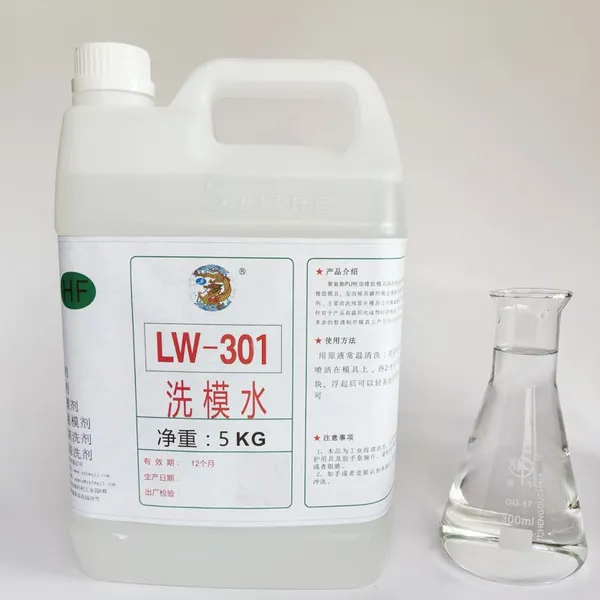
LW-301 is a Specialized Mold Cleaner for Iron Molds. It Cleans Rapidly Without Damaging the Mold Surface.NegotiableMOQ: 50 Kilograms
-
LW-306 Mold Cleaning Rubber Sheet for Silicone & Rubber Molds - No Disassembly Required, Non-Damaging (Not for Electroplated Molds) - Factory DirectNegotiableMOQ: 200 Kilograms
-
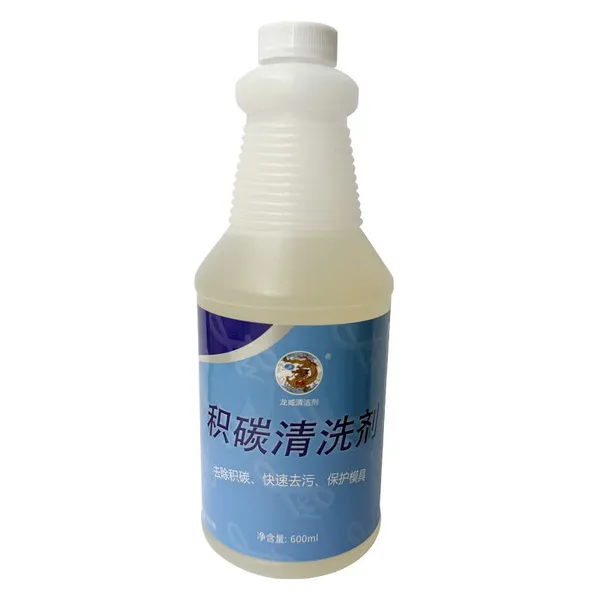
Specialized Carbon Deposit Cleaner for Zinc, Magnesium, and Aluminum Die-casting Molds - Fast Cleaning With No ResidueNegotiableMOQ: 200 Cases
-
Longwei PU Foaming Polyurethane Mold Cleaner / Specialized Polyurethane Cleaner for EVA Aluminum Molds - ManufacturerNegotiableMOQ: 200 Kilograms
-
Odorless Mirror-Finish Mold Release Agent for Industrial Liquid Silicone Rubber (LSR)NegotiableMOQ: 200 Kilograms
-
Specialized Rubber Release Agent for Seals, Shock Absorbers, Shoe Soles, and TiresNegotiableMOQ: 200 Kilograms
-
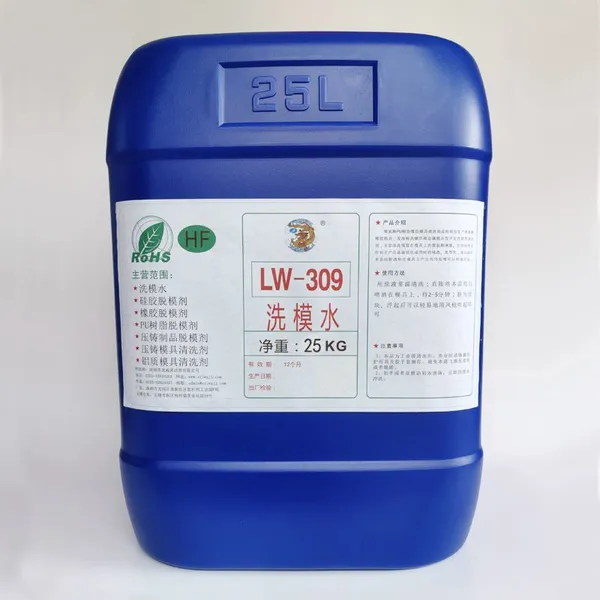
Specialized Mold Cleaning Fluid for Mechanical Iron Molds | Fast Cleaning & Mold-SafeUS$ 40MOQ: 50 Kilograms