 Business License
Top 10 Mold Release Problems and How to Fix Them - Troubleshooting Guide
Top 10 Mold Release Problems and How to Fix Them
A troubleshooting reference for the ten problems we see most often on moulding lines, with the most likely cause and the fix for each.
| # | Symptom | Most Likely Cause | Fix |
|---|---|---|---|
| 1 | Part sticks in the cavity | Film too thin; concentration too low; mould too hot | Raise concentration, check dilution metering, verify die temperature |
| 2 | Carbon builds up fast | Concentration too high; poor blow-off; hard water | Increase dilution, improve air blow-off, switch to softened water |
| 3 | Paint fisheyes / poor adhesion | Silicone contamination | Switch to silicone-free; deep clean tooling; ban silicone in the shop |
| 4 | Oily surface on parts | Over-application; solvent-based product not dried | Reduce spray volume; extend blow-off; switch to a dry film grade |
| 5 | Dull spots / haze | Release residue left on cavity | Clean the mould; reduce dosage |
| 6 | Porosity in die castings | Blocked vents from carbon | Clean vents with penetrating carbon remover; reduce carbon formation |
| 7 | Unstable cycle time | Carbon layer insulating the die, distorting heat transfer | Remove carbon; stabilise die temperature control |
| 8 | Mold rusts overnight | Water-based agent, no rust preventive, humid shop | Use a grade with rust inhibitor; apply rust preventive at shutdown |
| 9 | Semi-permanent agent "doesn't work" | Applied over old residue, not bare metal | Strip and deep clean the mould, then re-coat |
| 10 | Consumption too high | Wrong product type for the cycle count | Move from sacrificial to semi-permanent |
The Three Checks to Run First
When something goes wrong, do these before changing products:
Verify the actual dilution ratio. "Roughly" is not a ratio. Many problems are simply mis-mixed product.
Measure the real mould surface temperature, not the machine setpoint.
Look at the mould under good light. Most answers are visible on the cavity.
When to Change Product vs. When to Change Process
Change the process when the problem is dosage, dilution, water quality, blow-off or mould cleanliness - that is the majority of cases. Change the product when the process is already correct but the film still fails: wrong temperature rating, wrong silicone status, or wrong film type for your cycle count.
How We Can Help
Describe your symptom, process, material and mould temperature, and we will send a diagnosis plus a matching sample. LONGWEI also supplies the mould cleaner and rust preventive needed to complete the fix, so you are not mixing products from three different suppliers.
Contact LONGWEI for a free sample and technical consultation. Tell us your process, material and mould temperature, and our engineers will recommend a matched grade.
Recently Posted
-
Mold Cleaning 101: How to Identify and Remove Carbon, Rust and Residue
September 29, 2026Mold Cleaning 101: How to Identify and Remove Carbon, Rust and ResidueMost moulding problems blamed on the release agent are actua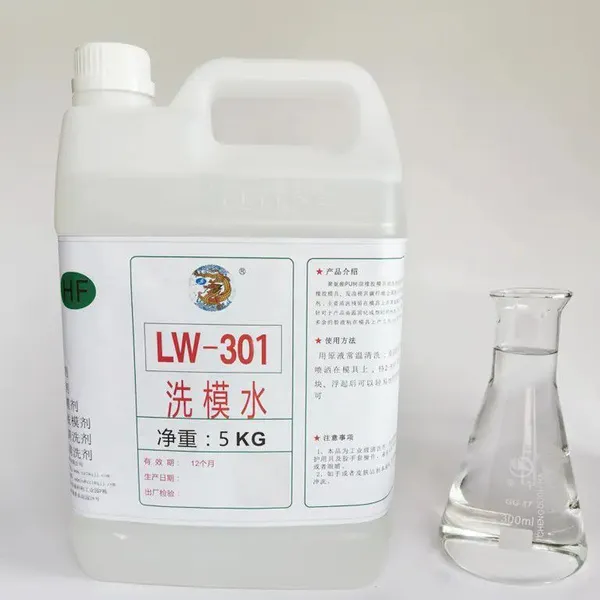 Read More
 -
How to Choose the Right Mold Release Agent: 7 Factors That Actually Matter
September 24, 2026How to Choose the Right Mold Release Agent: 7 Factors That Actually MatterChoosing a release agent by price per litre is the most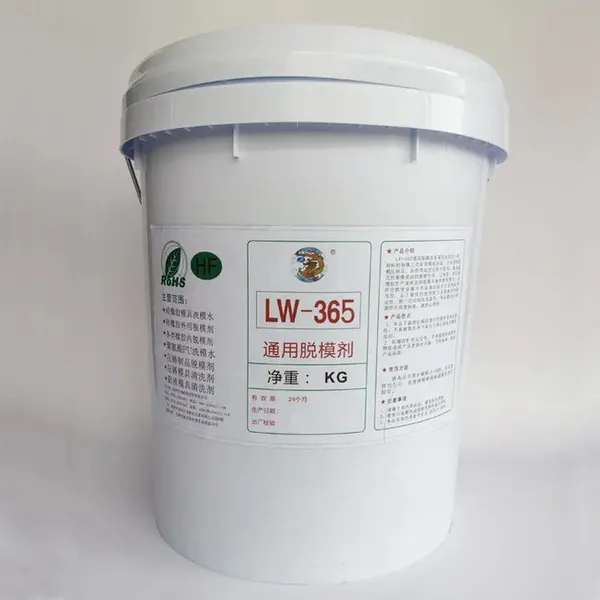 Read More
 -
Case Study: Eliminating Carbon Build-Up on Aluminium Die Casting Dies
September 24, 2026Case Study: Eliminating Carbon Build-Up on Aluminium Die Casting DiesThe ProblemAn aluminium die casting plant running automotive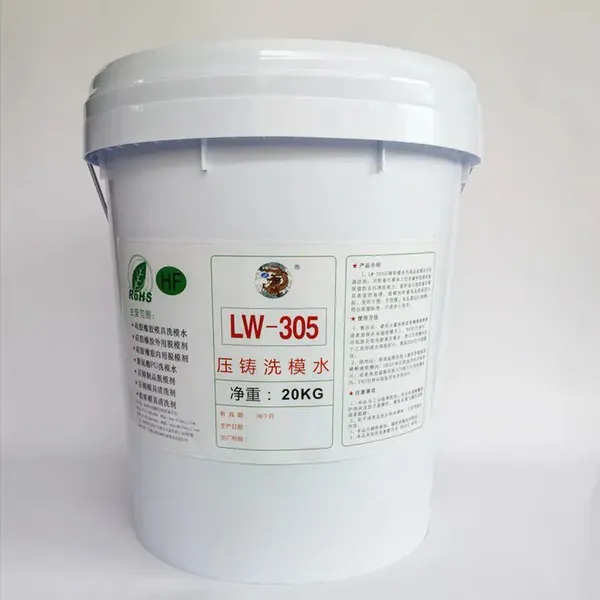 Read More
 -
LW-305 Mold Cleaner High-Efficiency Residue and Scale Removal Solution
July 23, 2026How to Solve the Dilemma of Carbon Deposit Cleaning in Die Casting Molds? LW-305 Mold Cleaner – High-Efficiency Decarbonization So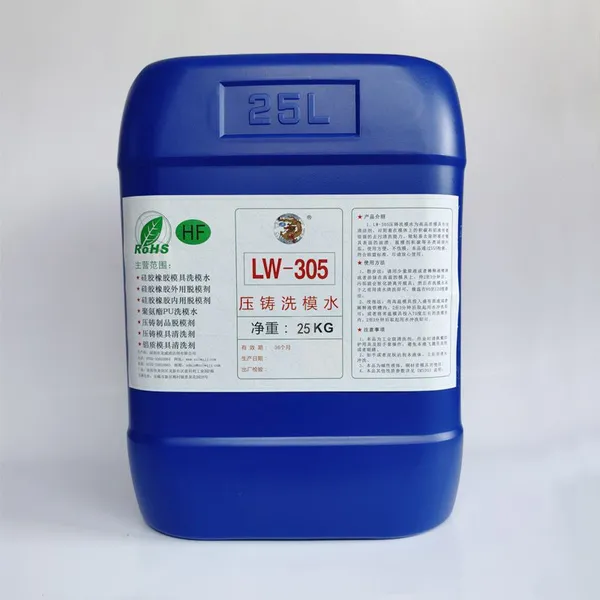 Read More

Contact Us
Recommended Products
-
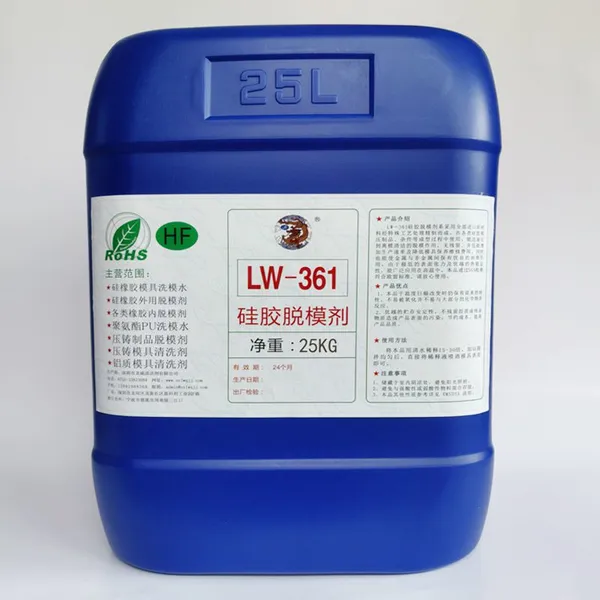
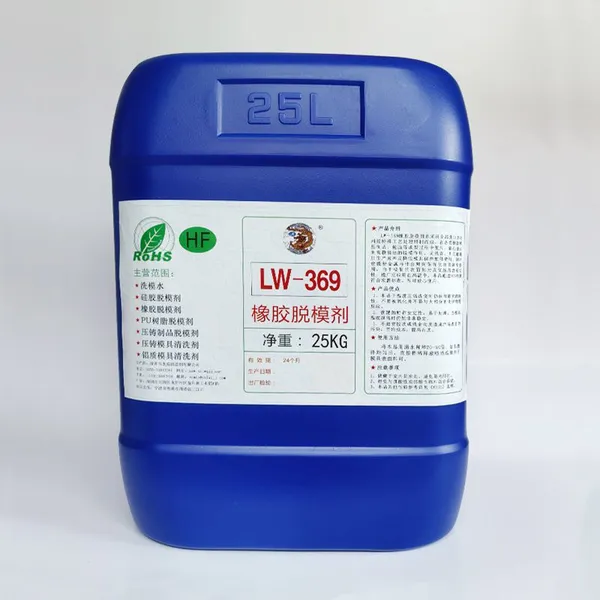
 LW-369-1 Release Agent for Fluoro Rubber Epoxy Polyester and Thermoset Compression MoldingNegotiableMOQ: 1 Kilogram
 -
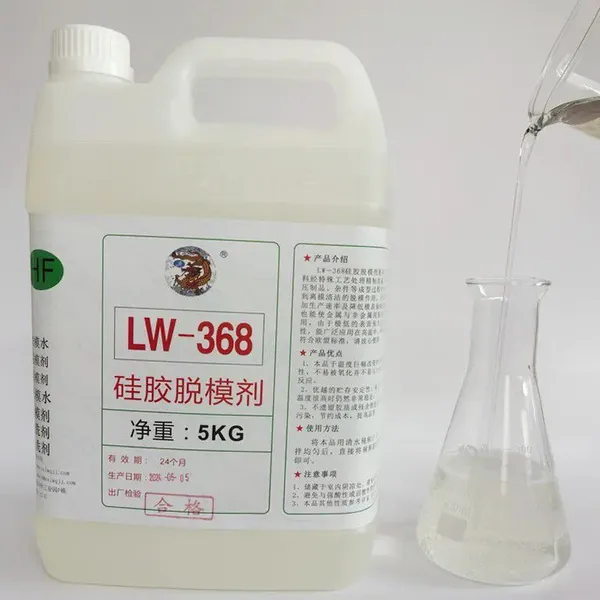
LW-368 Water Based Silicone Release Agent pH 10 for Silicone Molding and Surface LubricationNegotiableMOQ: 1 Kilogram
-
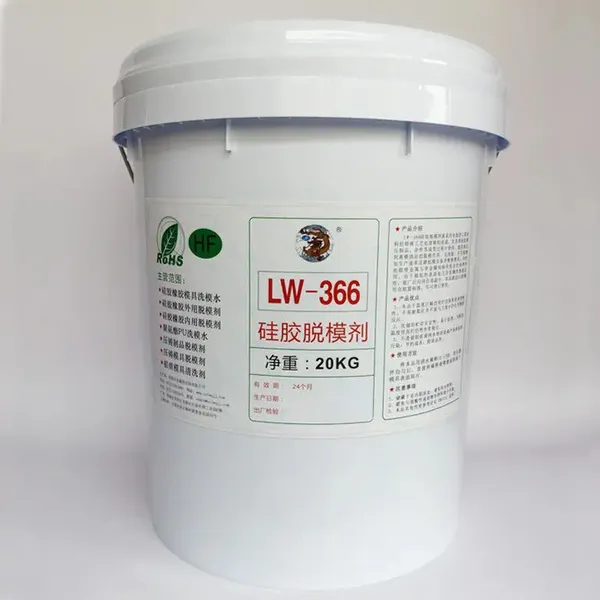
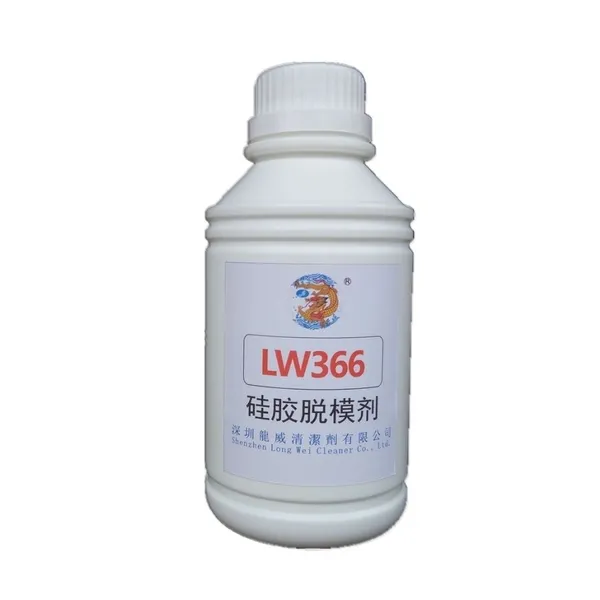
LW-366 Water Based Silicone Release Agent Compatible With Painting Printing and BondingNegotiableMOQ: 1 Kilogram
-
LW-365 General Purpose Release Agent for Fluoro Rubber Silicone PU and Thermoset ResinsNegotiableMOQ: 1 Kilogram
-
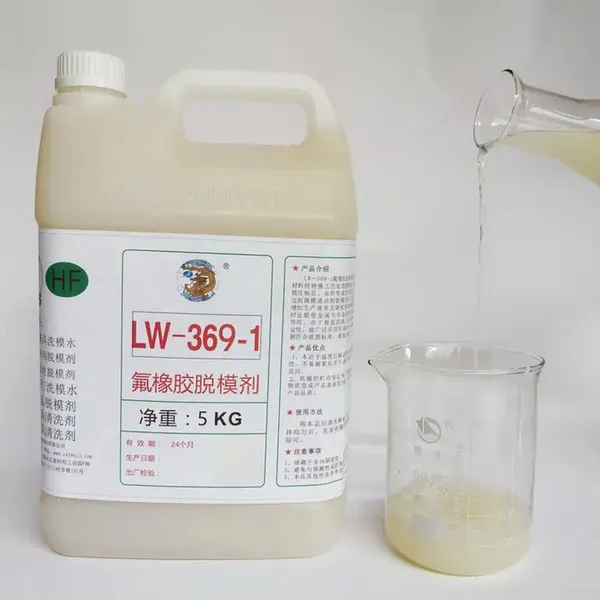
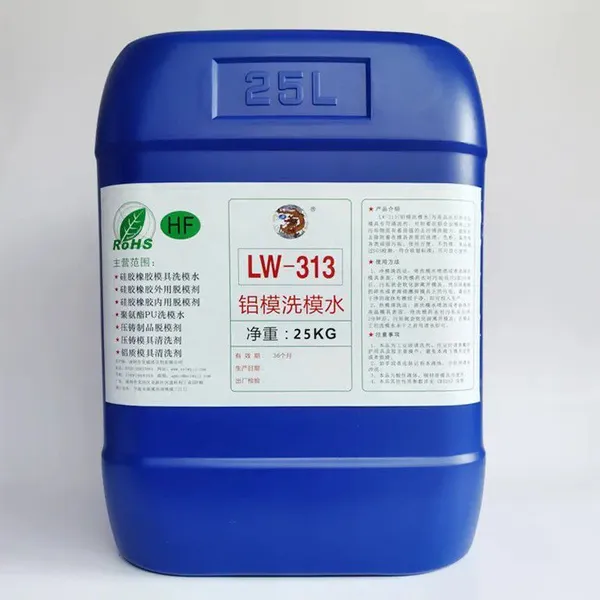
LW-313 Aluminum Mold Cleaner Removes Oil Colorant Dye and Light Oxidation LayerNegotiableMOQ: 1 Kilogram
-
LW-308 PTFE Coated Mold Cleaner Removes High Temperature Surface DepositsNegotiableMOQ: 1 Kilogram
-
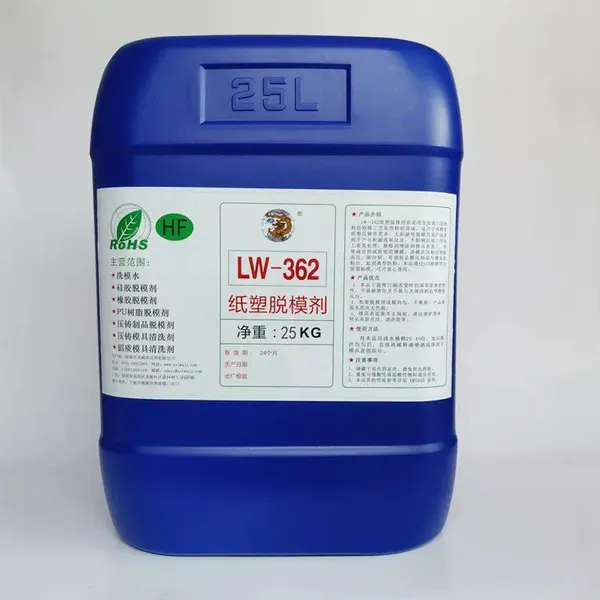
LW-362 Water Based Release Agent for Pulp Molding and Paper Tray ProductionNegotiableMOQ: 1 Kilogram
-
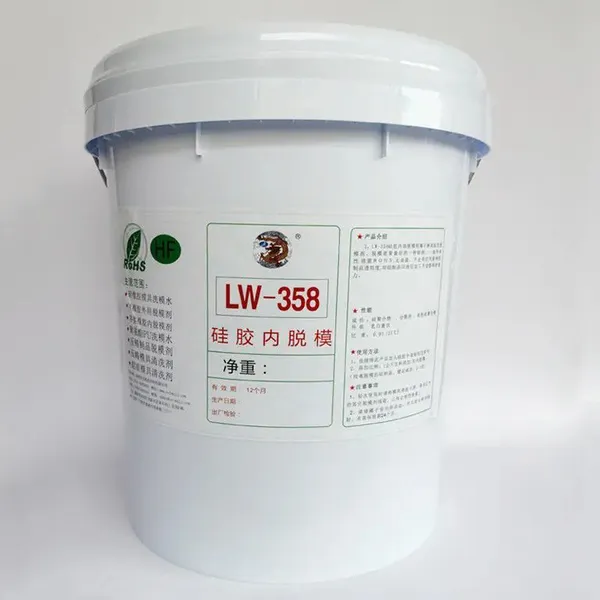
LW-358 Internal Silicone Release Agent Paste for High Temperature Silicone MoldingNegotiableMOQ: 1 Kilogram
-
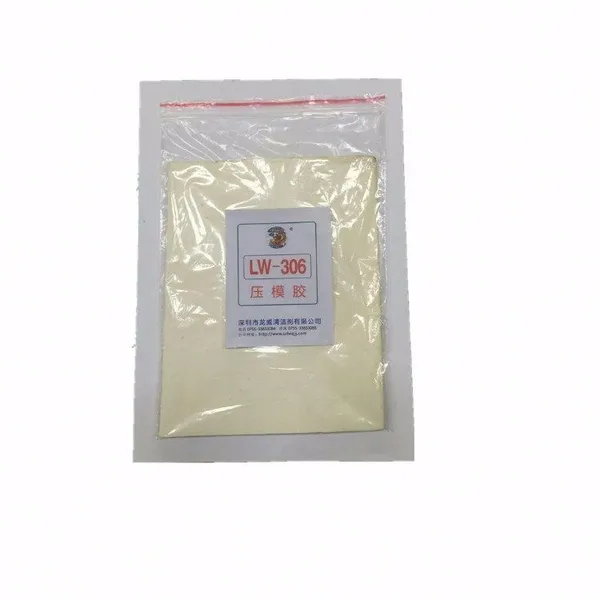
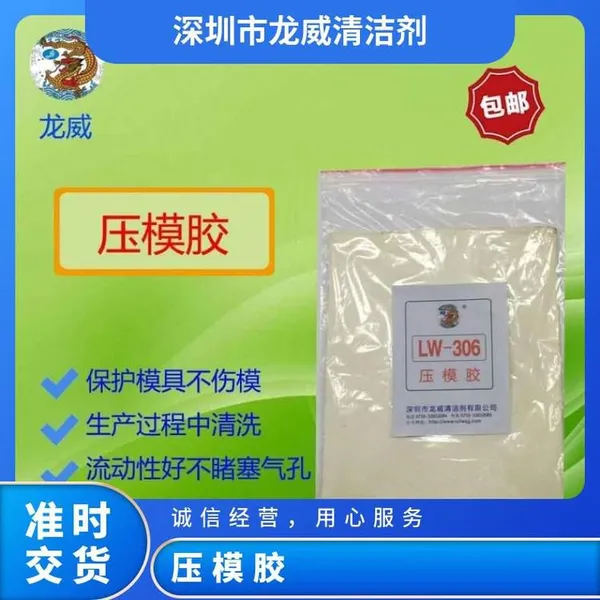
LW-306 Premium Mold Cleaning Rubber for Semiconductor & Rubber MoldingNegotiableMOQ: 50 Kilograms
-
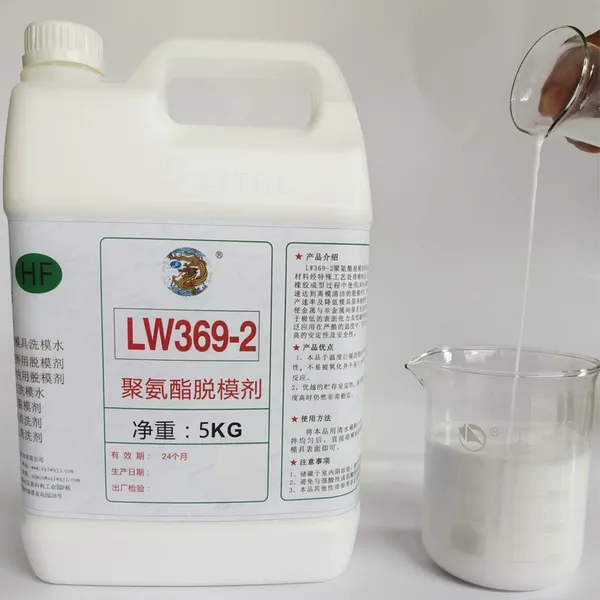
Longwei LW Water-based Polyurethane (PU) Mold Release Agent ManufacturerNegotiableMOQ: 50 Kilograms
-
Longwei Liquid Mold Silicone Mold Release Agent – Water-Based, Specially Formulated for Vulcanized Silicone | Manufacturer DirectNegotiableMOQ: 50 Kilograms
-
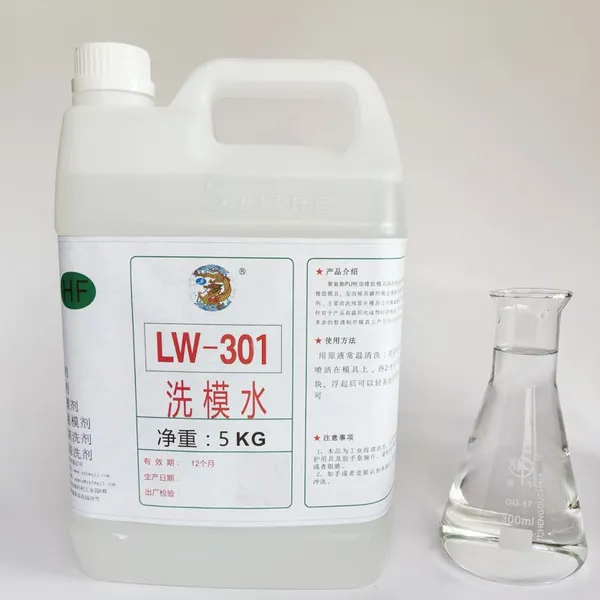
LW-301 is a Specialized Mold Cleaner for Iron Molds. It Cleans Rapidly Without Damaging the Mold Surface.NegotiableMOQ: 50 Kilograms
-
LW-306 Mold Cleaning Rubber Sheet for Silicone & Rubber Molds - No Disassembly Required, Non-Damaging (Not for Electroplated Molds) - Factory DirectNegotiableMOQ: 200 Kilograms
-
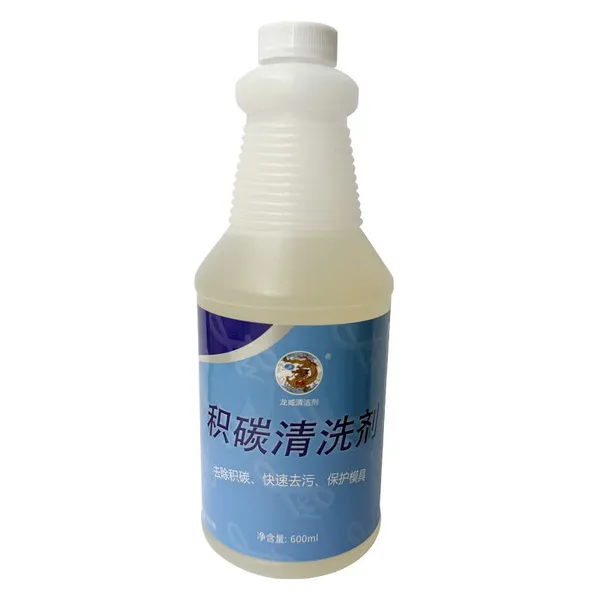
Specialized Carbon Deposit Cleaner for Zinc, Magnesium, and Aluminum Die-casting Molds - Fast Cleaning With No ResidueNegotiableMOQ: 200 Cases
-
Longwei PU Foaming Polyurethane Mold Cleaner / Specialized Polyurethane Cleaner for EVA Aluminum Molds - ManufacturerNegotiableMOQ: 200 Kilograms
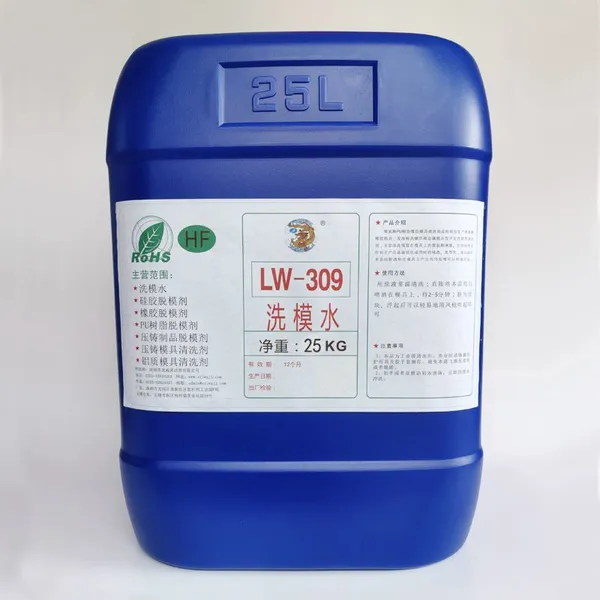
-
Odorless Mirror-Finish Mold Release Agent for Industrial Liquid Silicone Rubber (LSR)NegotiableMOQ: 200 Kilograms
-
Specialized Rubber Release Agent for Seals, Shock Absorbers, Shoe Soles, and TiresNegotiableMOQ: 200 Kilograms
-
Specialized Mold Cleaning Fluid for Mechanical Iron Molds | Fast Cleaning & Mold-SafeUS$ 40MOQ: 50 Kilograms