 Business License
Case Study: Eliminating Paint Fisheyes on Automotive Interior Injection Moulded Parts
Case Study: Eliminating Paint Fisheyes on Automotive Interior Injection Moulded Parts
The Problem
A moulder supplying painted interior trim to an automotive tier supplier was seeing intermittent paint fisheyes and adhesion failures. The defect appeared random - the same cavity would produce good parts for hours, then suddenly a batch would fail.
Because the painting was outsourced, the blame initially went to the paint shop. But the defect persisted after the paint was changed.
Finding the Real Cause
The investigation turned to the moulding shop, and the culprit turned out to be silicone contamination from the release agent.
Silicone has extremely low surface energy. Even a few parts per million transferred to a plastic surface will cause paint to crawl away from that spot, creating the characteristic fisheye crater. What made it intermittent was the source:
Operators used a general-purpose silicone release spray on the difficult cavities.
Silicone migrates - it spreads across the mould, onto adjacent cavities, onto conveyors, gloves and fixtures, and into the air as aerosol overspray.
A single spray on one cavity could contaminate parts from several machines downstream.
What We Changed
Banned all silicone-containing products from the moulding shop - including general-purpose sprays, some rust preventives and even certain hand creams used by operators.
Switched to a silicone-free release agent for all cavities.
Deep-cleaned all moulds with a residue-free mould cleaner to strip existing silicone film.
Segregated the tooling and set up a silicone-free work zone with dedicated cloths and gloves.
The Result
| Metric | Before | After |
|---|---|---|
| Paint fisheye reject rate | Recurring, batch-level failures | Effectively eliminated |
| Rework hours per month | Consistently high | Sharply reduced |
| Customer complaints | Recurring per quarter | Zero since the change |
The Takeaway
If you paint, print, bond, plate or ultrasonic-weld your plastic parts, silicone is the enemy. It only takes trace amounts, and it travels. The fix is not a better paint - it is removing silicone from the moulding environment entirely.
How We Can Help
LONGWEI supplies a verified silicone-free release programme together with the residue-free cleaner needed to decontaminate existing tooling. Tell us your resin, surface finish and post-processing requirement, and we will specify the release agent plus the cleaning procedure to strip any existing silicone film.
Contact LONGWEI for a free sample and technical consultation. Tell us your process, material and mould temperature, and our engineers will recommend a matched grade.
Recently Posted
-
Case Study: Cutting Release Agent Consumption and Cleaning Downtime in PU Shoe Sole Moulding
September 30, 2026Case Study: Cutting Release Agent Consumption and Cleaning Downtime in PU Shoe Sole MouldingThe ProblemA PU shoe sole manufacturer Read More
 -
Top 10 Mold Release Problems and How to Fix Them - Troubleshooting Guide
September 29, 2026Top 10 Mold Release Problems and How to Fix ThemA troubleshooting reference for the ten problems we see most often on moulding lin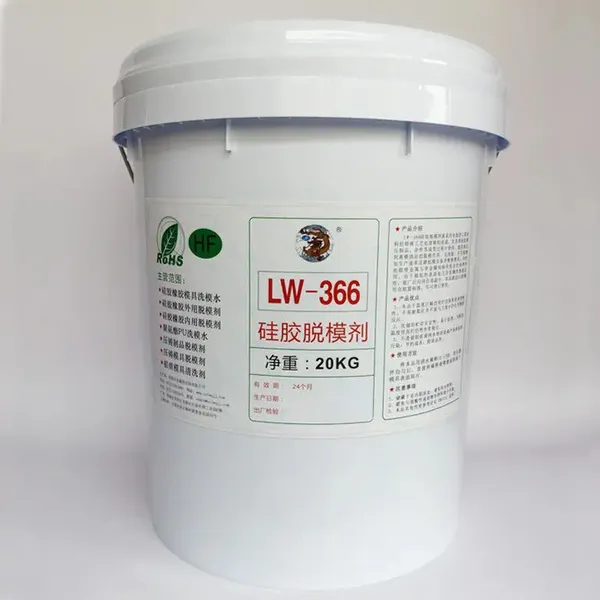 Read More
 -
Mold Cleaning 101: How to Identify and Remove Carbon, Rust and Residue
September 29, 2026Mold Cleaning 101: How to Identify and Remove Carbon, Rust and ResidueMost moulding problems blamed on the release agent are actua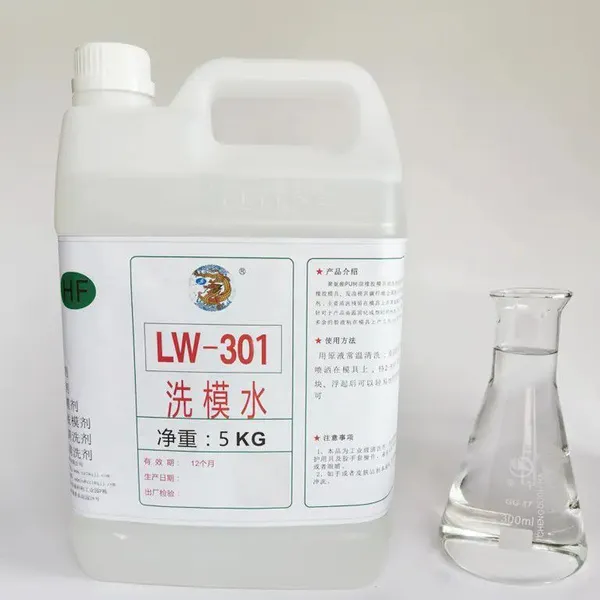 Read More
 -
How to Choose the Right Mold Release Agent: 7 Factors That Actually Matter
September 24, 2026How to Choose the Right Mold Release Agent: 7 Factors That Actually MatterChoosing a release agent by price per litre is the most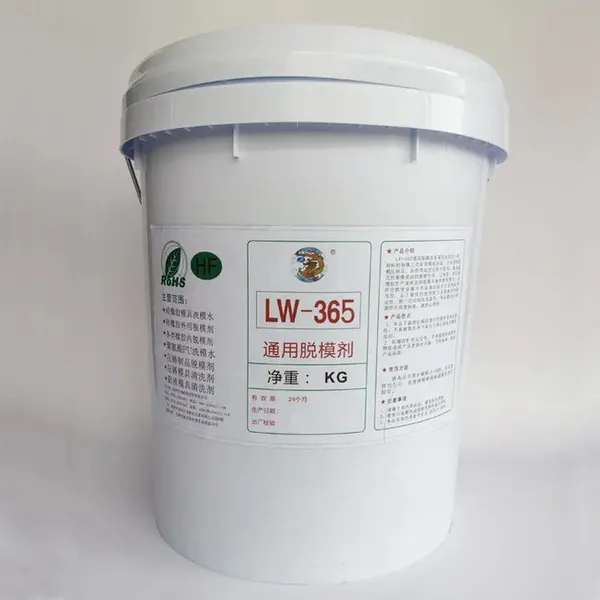 Read More

Contact Us
Recommended Products
-
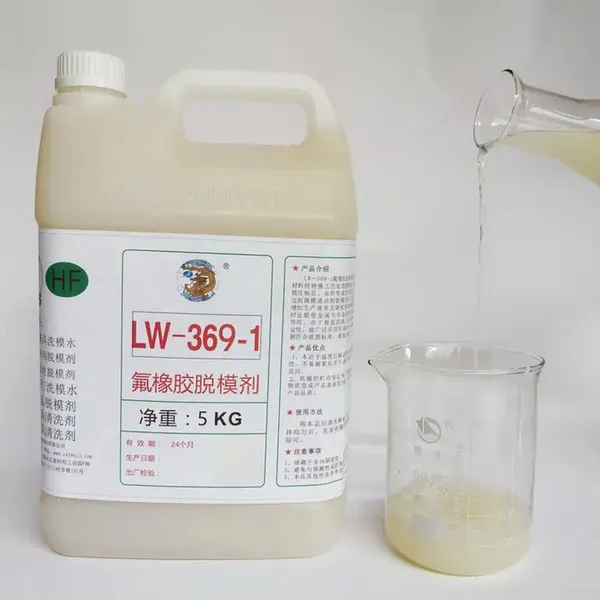
 LW-369-1 Release Agent for Fluoro Rubber Epoxy Polyester and Thermoset Compression MoldingNegotiableMOQ: 1 Kilogram
 -
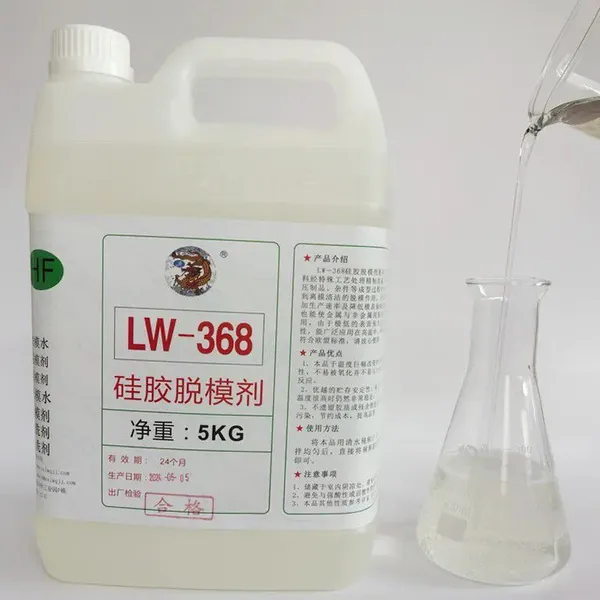
LW-368 Water Based Silicone Release Agent pH 10 for Silicone Molding and Surface LubricationNegotiableMOQ: 1 Kilogram
-
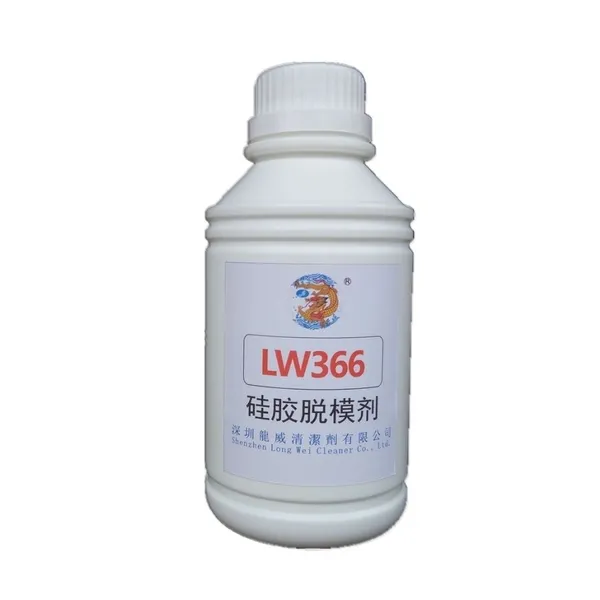
LW-366 Water Based Silicone Release Agent Compatible With Painting Printing and BondingNegotiableMOQ: 1 Kilogram
-
LW-365 General Purpose Release Agent for Fluoro Rubber Silicone PU and Thermoset ResinsNegotiableMOQ: 1 Kilogram
-
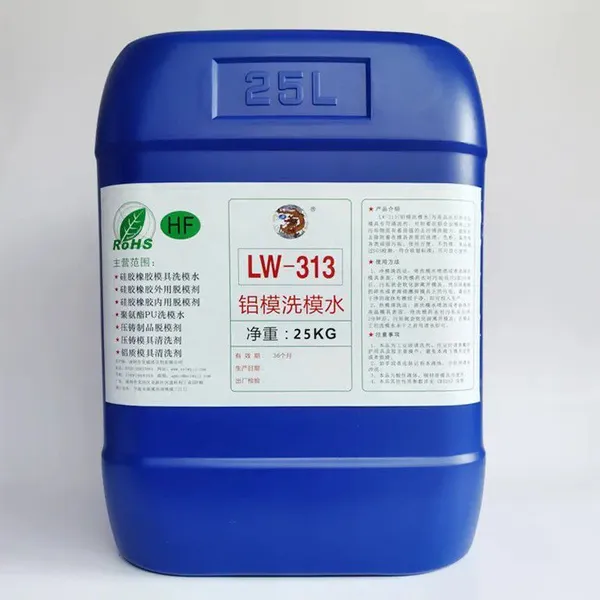
LW-313 Aluminum Mold Cleaner Removes Oil Colorant Dye and Light Oxidation LayerNegotiableMOQ: 1 Kilogram
-
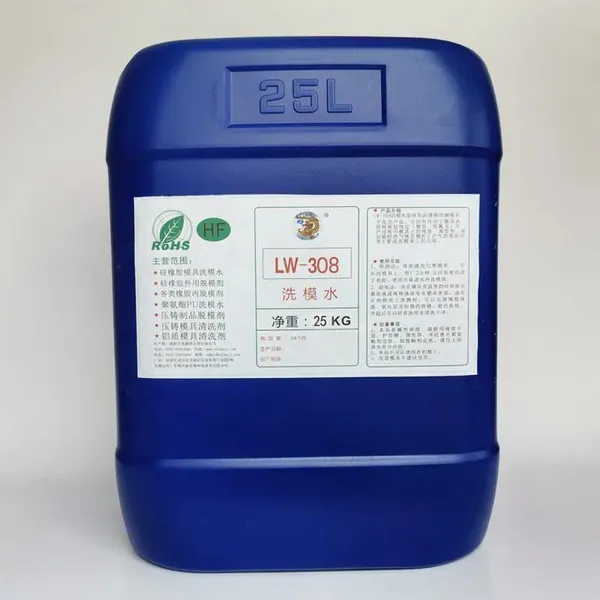
LW-308 PTFE Coated Mold Cleaner Removes High Temperature Surface DepositsNegotiableMOQ: 1 Kilogram
-
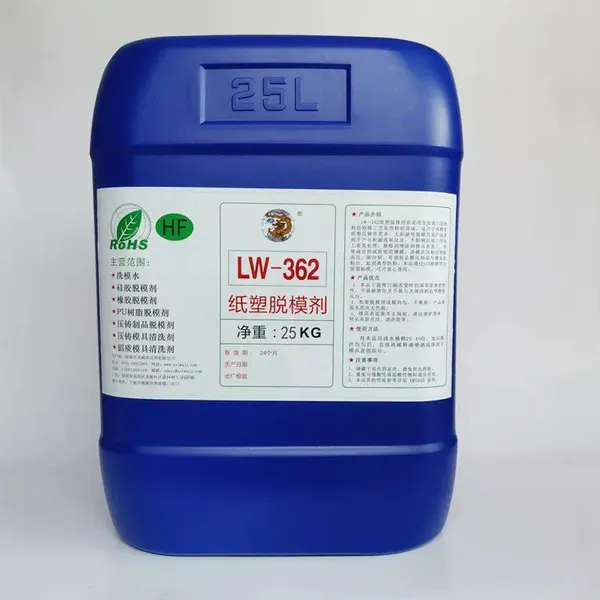
LW-362 Water Based Release Agent for Pulp Molding and Paper Tray ProductionNegotiableMOQ: 1 Kilogram
-
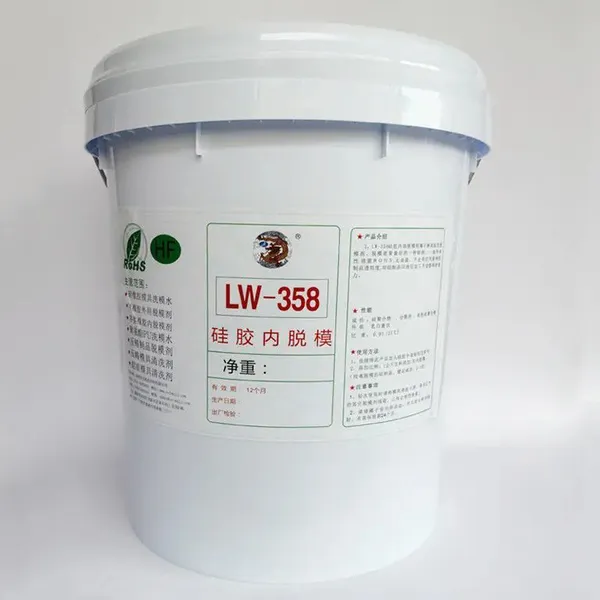
LW-358 Internal Silicone Release Agent Paste for High Temperature Silicone MoldingNegotiableMOQ: 1 Kilogram
-
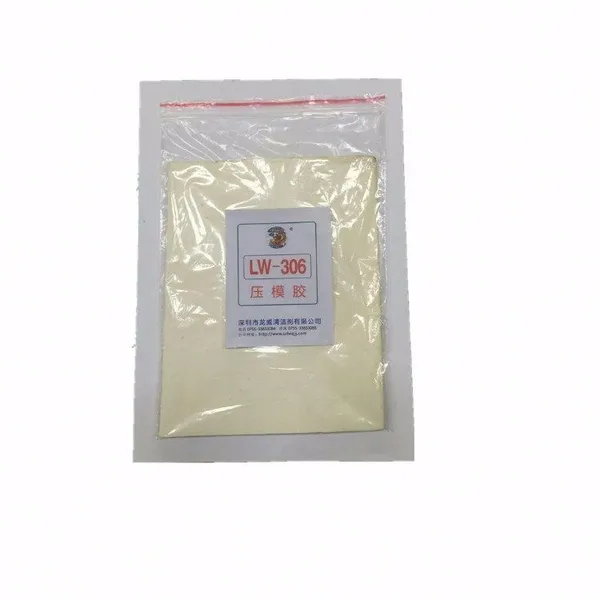
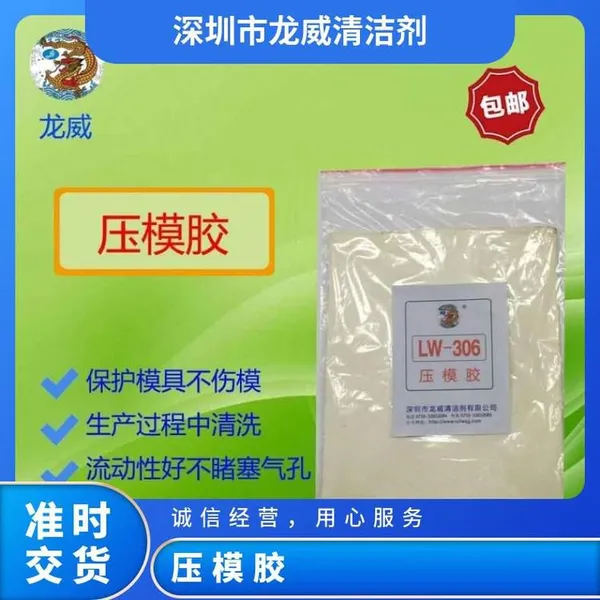
LW-306 Premium Mold Cleaning Rubber for Semiconductor & Rubber MoldingNegotiableMOQ: 50 Kilograms
-
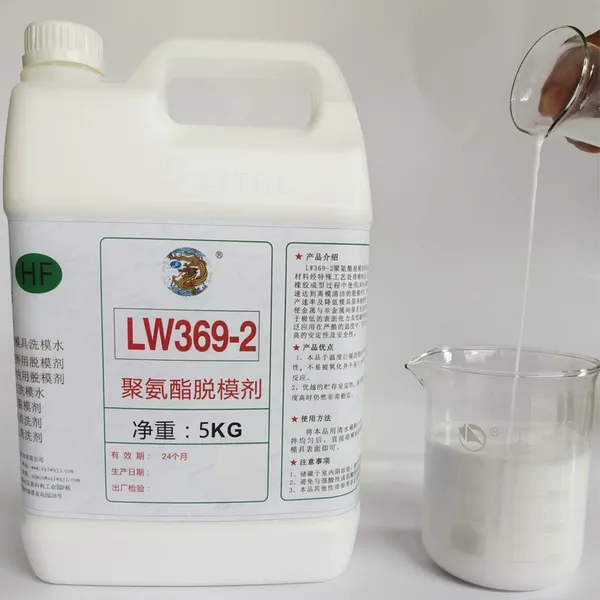
Longwei LW Water-based Polyurethane (PU) Mold Release Agent ManufacturerNegotiableMOQ: 50 Kilograms
-
Longwei Liquid Mold Silicone Mold Release Agent – Water-Based, Specially Formulated for Vulcanized Silicone | Manufacturer DirectNegotiableMOQ: 50 Kilograms
-
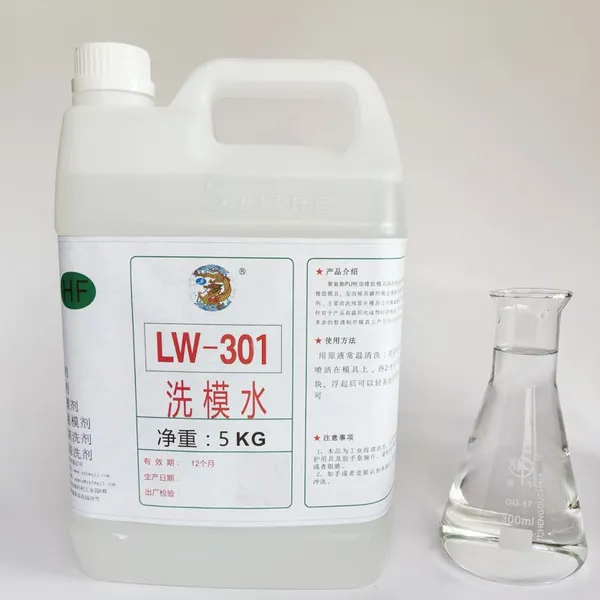
LW-301 is a Specialized Mold Cleaner for Iron Molds. It Cleans Rapidly Without Damaging the Mold Surface.NegotiableMOQ: 50 Kilograms
-
LW-306 Mold Cleaning Rubber Sheet for Silicone & Rubber Molds - No Disassembly Required, Non-Damaging (Not for Electroplated Molds) - Factory DirectNegotiableMOQ: 200 Kilograms
-
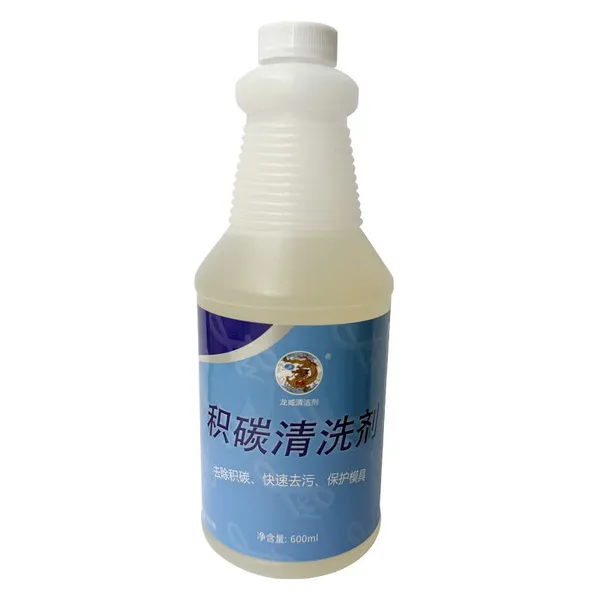
Specialized Carbon Deposit Cleaner for Zinc, Magnesium, and Aluminum Die-casting Molds - Fast Cleaning With No ResidueNegotiableMOQ: 200 Cases
-
Longwei PU Foaming Polyurethane Mold Cleaner / Specialized Polyurethane Cleaner for EVA Aluminum Molds - ManufacturerNegotiableMOQ: 200 Kilograms
-
Odorless Mirror-Finish Mold Release Agent for Industrial Liquid Silicone Rubber (LSR)NegotiableMOQ: 200 Kilograms
-
Specialized Rubber Release Agent for Seals, Shock Absorbers, Shoe Soles, and TiresNegotiableMOQ: 200 Kilograms
-
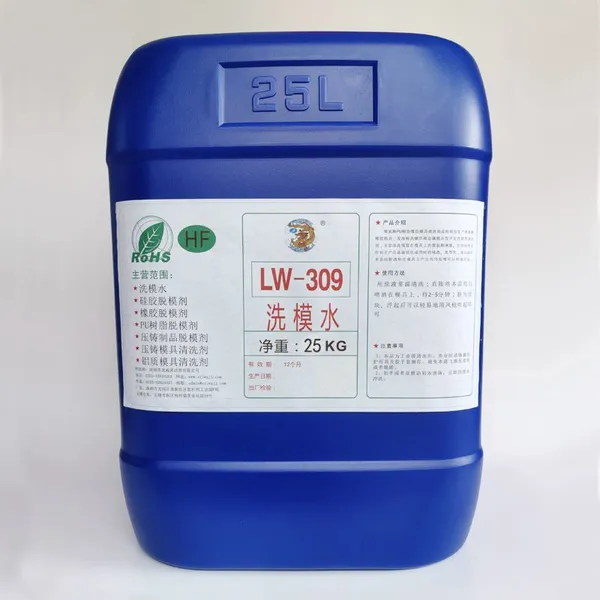
Specialized Mold Cleaning Fluid for Mechanical Iron Molds | Fast Cleaning & Mold-SafeUS$ 40MOQ: 50 Kilograms